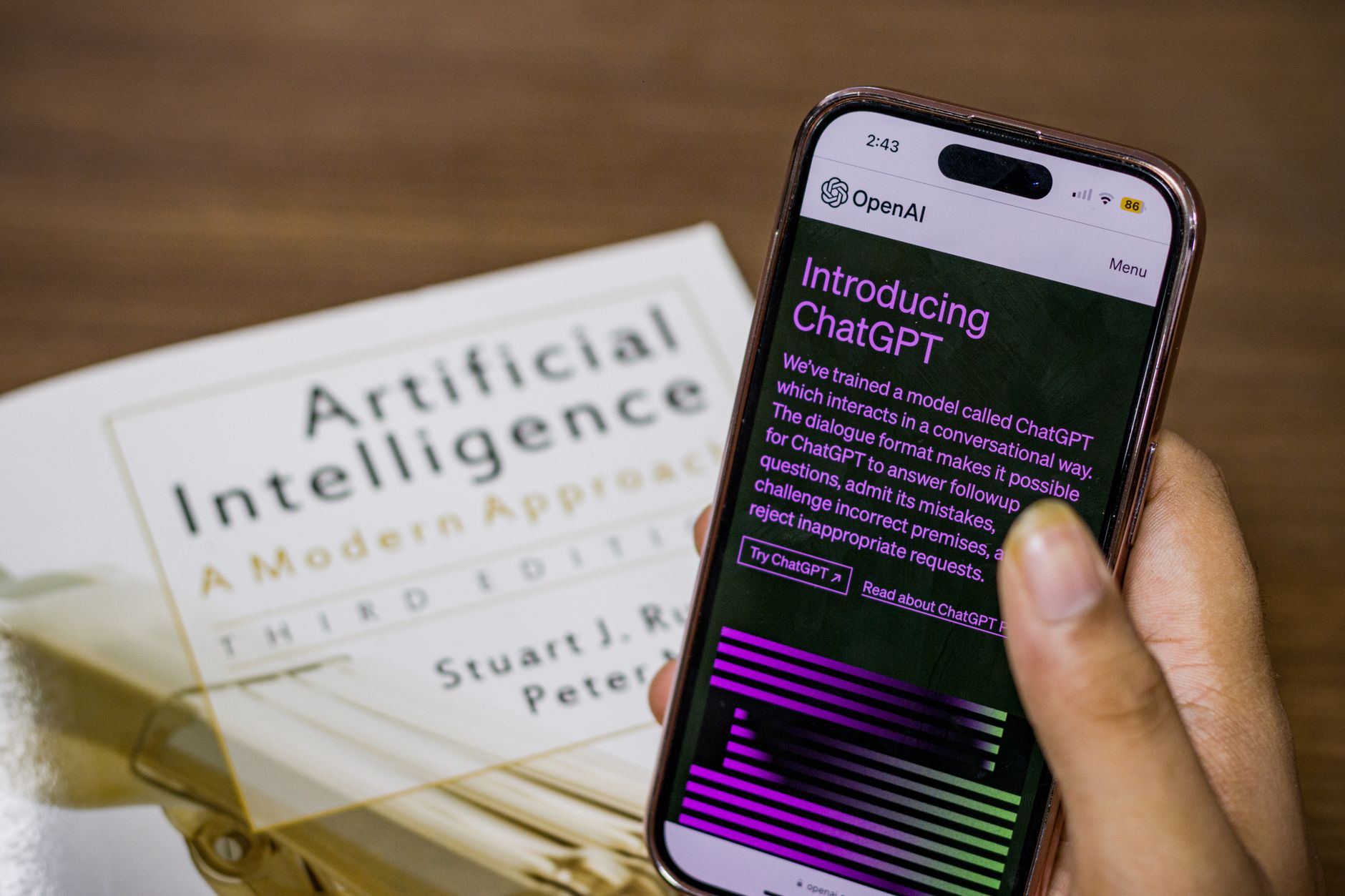
The OpenAI chatbot lawsuit raises critical issues about how AI technology affects children and deceives adults. States are taking action against the AI giant, citing harmful practices.
Background of the OpenAI chatbot
The recent OpenAI chatbot lawsuit has brought to light various concerns regarding the impact of artificial intelligence on vulnerable populations, particularly children. This legal action, initiated by several states, accuses OpenAI of perpetuating harmful practices through its widely used chatbot, which has gained immense popularity for its conversational abilities.
Since its launch, the OpenAI chatbot has been integrated into numerous applications, attracting users from diverse demographics. However, critics argue that the technology is not without its flaws. Concerns have been raised about the potential for misinformation and inappropriate content being inadvertently shared with young users. As the chatbot interacts with individuals in real-time, the risk of exposure to harmful material increases significantly.
Furthermore, the lawsuit highlights the deceptive nature of the chatbot’s responses, which may mislead adults seeking reliable information. As the line between human-like interaction and machine-generated content continues to blur, many fear that users may unknowingly rely on the chatbot for critical advice and guidance.
In light of these issues, the states involved in the lawsuit are advocating for stricter regulations surrounding the deployment of AI technologies, emphasizing the need to protect children and ensure transparency for adult users. As this case unfolds, it raises essential questions about the ethical responsibilities of AI developers and the implications of widespread chatbot use.
Details of the lawsuit
The recent lawsuit filed against OpenAI highlights several serious allegations regarding its popular chatbot. The legal action has been initiated by multiple states, claiming that the OpenAI chatbot is engaging in wrong practices that may harm children and mislead adults.
According to the complaint, the states argue that the AI technology is not only exposing young users to inappropriate content but also enabling harmful interactions that could lead to negative psychological effects. They contend that the chatbot’s responses can sometimes be misleading or deceptive, complicating the ability of adults to guide children in their use of such technology.
Key points raised in the lawsuit include:
- Inappropriate Content: The chatbot allegedly generates responses that are not suitable for children, raising concerns about exposure to harmful material.
- Deceptive Practices: The lawsuit claims that the chatbot can mislead users by providing inaccurate information and failing to clarify its AI nature.
- Impact on Mental Health: Experts argue that interaction with the chatbot could contribute to anxiety or confusion among young users, posing risks to their mental well-being.
As the legal proceedings unfold, the implications of the OpenAI chatbot lawsuit may lead to significant changes in how AI technologies are developed and regulated, especially regarding their use among vulnerable populations.
Impact on children
The recent OpenAI chatbot lawsuit has raised significant concerns regarding the impact of artificial intelligence on children. As the technology continues to evolve, its integration into daily life has become increasingly prevalent, particularly among younger audiences. Critics argue that the chatbot may expose children to harmful content, misinformation, and inappropriate interactions, all of which can have lasting effects on their mental and emotional well-being.
Parents and guardians have voiced their worries about the chatbot’s potential to mislead children, as it often provides answers that may not be age-appropriate or factually accurate. The lawsuit claims that the chatbot’s design encourages engagement without adequate safeguards, leading to situations where children could encounter distressing or confusing information.
Moreover, the states involved in the lawsuit assert that OpenAI has not taken sufficient measures to protect young users. They highlight the need for robust guidelines that ensure AI technologies are safe for children and do not exploit their vulnerabilities. The implications of the OpenAI chatbot lawsuit extend beyond legal ramifications, as they call for a broader examination of the ethical responsibilities of tech companies in safeguarding the interests of their youngest users.
Key concerns include:
- Misinformation exposure
- Inappropriate content interactions
- Lack of protective measures
Concerns from parents and educators
Concerns have been mounting among parents and educators regarding the OpenAI chatbot lawsuit and its implications for children. Many parents express fear that the chatbot, while designed to assist and engage, may inadvertently expose their children to harmful content or misinformation. One concerned parent, Jane Doe, stated, “I worry that my child might come across dangerous ideas or be misled by the information provided by the chatbot.”
Educators are equally alarmed, emphasizing the potential impact on children’s learning and development. “We are seeing students relying on AI tools for homework help, but they may not understand the difference between reliable and unreliable information,” said John Smith, a high school teacher. “This could lead to a generation that struggles with critical thinking.”
Furthermore, mental health professionals have raised alarms about the emotional and psychological effects these technologies can have. “Children are still developing their understanding of the world, and exposure to AI-generated responses can lead to confusion and anxiety,” noted Dr. Emily Johnson, a child psychologist.
In light of these concerns, several advocacy groups are calling for stricter regulations on AI tools aimed at young audiences, urging that safeguards be put in place to protect children from potential harm. The ongoing OpenAI chatbot lawsuit highlights these pressing issues and the need for accountability in the rapidly evolving world of artificial intelligence.
Responses from OpenAI
In response to the ongoing OpenAI chatbot lawsuit, the company has issued a statement emphasizing its commitment to ethical AI development. OpenAI asserts that it continuously evaluates the safety and appropriateness of its chatbot’s interactions, particularly concerning younger users. The firm highlighted several measures it has implemented to mitigate potential risks, including content filtering and user feedback mechanisms.
OpenAI representatives stated, “We take these allegations seriously and are dedicated to ensuring our technology serves users responsibly. Our chatbot is designed to provide helpful information while prioritizing user safety.” They also noted that the company collaborates with educators and child safety advocates to improve the user experience.
Despite these assurances, critics remain skeptical. Many parents and educators argue that the chatbot’s impact on children needs further examination, as they believe it could lead to misunderstandings and harmful interactions. OpenAI acknowledged these concerns, asserting that they are actively exploring ways to enhance the chatbot’s educational value and minimize adverse effects.
The lawsuit has sparked a broader discussion regarding the regulation of AI technologies, with calls for stricter guidelines to protect vulnerable populations. OpenAI’s response has been met with mixed reactions, as stakeholders continue to weigh the benefits of AI against potential risks to children.
Legal implications of AI technology
The ongoing OpenAI chatbot lawsuit raises significant legal implications regarding the use of artificial intelligence technology. As states challenge the practices of OpenAI, the case sheds light on the responsibilities that developers of AI systems hold, particularly when it comes to vulnerable populations like children.
One of the primary legal questions revolves around whether OpenAI has violated existing consumer protection laws. Critics argue that the chatbot’s interactions can lead to harmful outcomes, creating a legal precedent for holding technology companies accountable for the consequences of their products. This lawsuit may serve as a landmark case that defines the extent of legal liability for AI developers.
Additionally, the lawsuit highlights concerns over data privacy and the ethical use of information. Many parents and educators fear that the chatbot may inadvertently share sensitive information or reinforce negative behaviors in children. This brings to the forefront issues regarding the ethical implications of deploying AI in everyday life.
Moreover, the case could prompt lawmakers to reevaluate regulations surrounding AI technology. If the OpenAI chatbot lawsuit succeeds in proving that AI systems can harm users, it may lead to stricter guidelines and oversight for developers. As the legal landscape evolves, the outcome of this lawsuit will likely influence future legislative efforts aimed at safeguarding children and enhancing transparency in AI development.
Future of AI regulation
The recent OpenAI chatbot lawsuit has sparked a broader conversation about the future of AI regulation. As technology evolves at a rapid pace, lawmakers are grappling with how to implement effective guidelines that protect users, especially vulnerable populations like children.
Experts emphasize the need for comprehensive frameworks that address the ethical use of AI. Some key areas of focus include:
- Transparency: Developers must disclose how their algorithms operate and the data they use to train their models.
- Accountability: Companies need to be held responsible for the consequences of their AI systems, ensuring that they prioritize user safety.
- Privacy: Regulations should enforce strict data protection measures to safeguard personal information, particularly for minors.
- Informed Consent: Users, especially children, should be adequately informed about the potential risks of interacting with AI technologies.
As discussions around the OpenAI chatbot lawsuit continue, many advocates argue that proactive measures are necessary to prevent harm. They believe that regulatory bodies must take a more active role in overseeing AI development to avoid situations that could lead to deceptive practices and adverse effects on children.
Ultimately, the outcomes of this lawsuit may set critical precedents for how AI technologies are regulated in the future, influencing not only the industry but also public trust in these advancements.
Public opinion on AI chatbots
As the OpenAI chatbot lawsuit unfolds, public opinion on AI chatbots has become increasingly polarized. Many individuals express concern over the potential dangers these technologies pose to vulnerable populations, particularly children.
A recent survey revealed that:
- 65% of parents worry about the impact of AI chatbots on their children’s mental health.
- 70% of educators believe that such tools can lead to misinformation and confusion among students.
- 58% of respondents think that strict regulations should be implemented to ensure the safety of AI technologies.
Critics of AI chatbots, like the ones involved in the OpenAI chatbot lawsuit, argue that these systems can inadvertently expose children to inappropriate content and harmful interactions. Many parents feel that AI chatbots can deceive both children and adults, creating a false sense of trust and reliability in technology.
Conversely, some advocates highlight the benefits of AI chatbots, including their potential to assist with education and provide emotional support. They argue that, with proper guidelines and oversight, these technologies can be used responsibly.
As the debate continues, the outcomes of the OpenAI chatbot lawsuit may significantly influence public sentiment and shape future discussions surrounding the ethics and regulation of AI technologies.
The OpenAI chatbot lawsuit raises serious concerns about the potential harm to children exposed to inappropriate content. Advocates argue that the OpenAI chatbot lawsuit highlights the urgent need for stricter regulations in AI technology to protect young users.
Photo by Sanket Mishra on Pexels
Read the original
Related reading
Chickpea yield improvement: What are the best proven methods? · GOP senators Ukraine data: Urging Pentagon for clarity · Google News Visibility: Best Proven Tips for Success

Leave a Reply