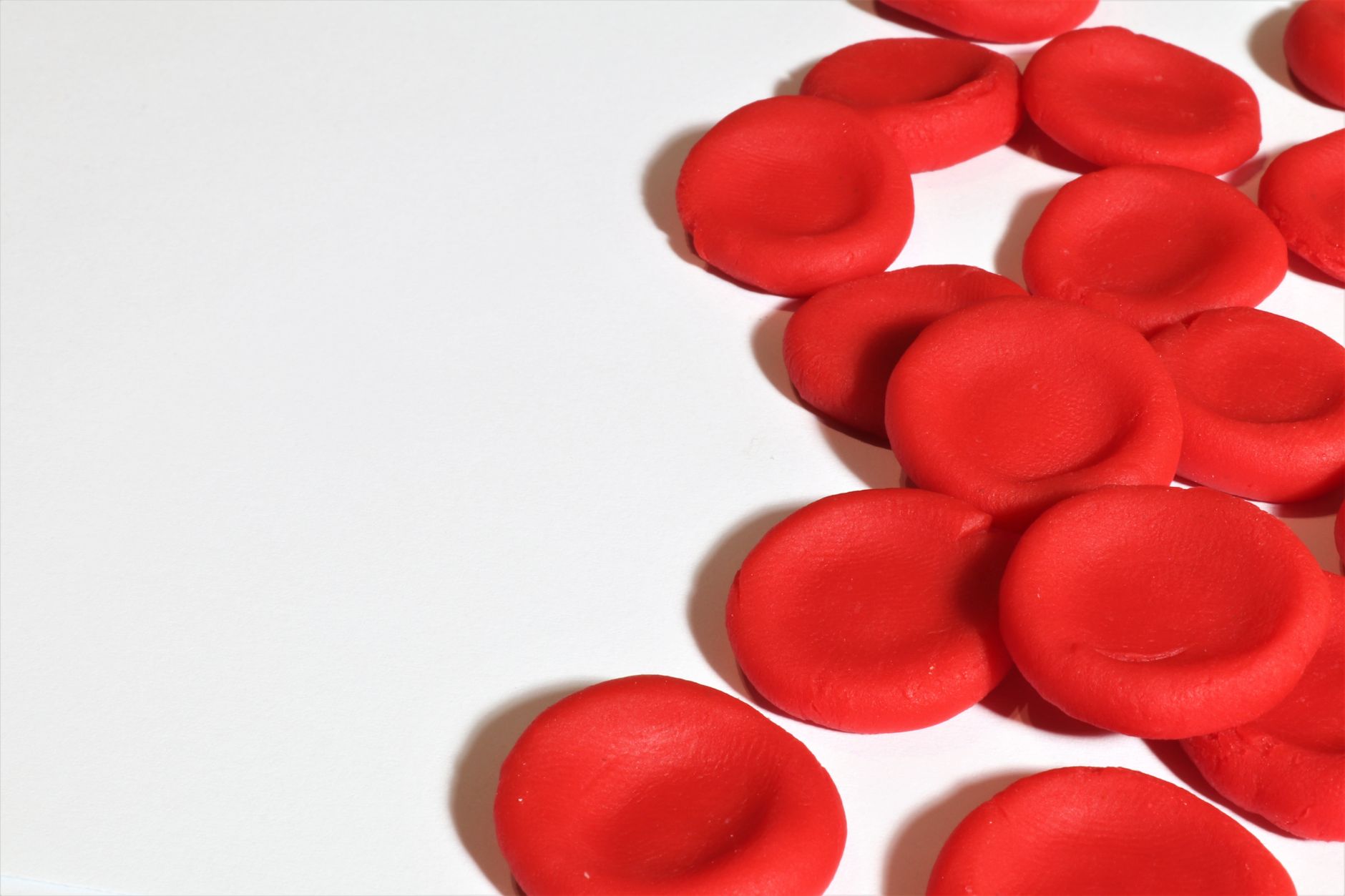
blood cells brain stem cells have been transformed into a new form that gets younger as they age, presenting exciting possibilities for medical science.
Understanding Blood Cells and Stem Cells
Recent research has shed light on the fascinating relationship between blood cells and brain stem cells, revealing a potential pathway to rejuvenation. Blood cells, which are essential for transporting oxygen and nutrients throughout the body, exhibit unique properties that can influence other cell types, including stem cells in the brain.
Stem cells are remarkable because they have the ability to develop into different types of cells, which is crucial for repairing and regenerating tissues. Scientists have discovered that by transforming old blood cells into brain stem cells, they can effectively create a younger version of these cells. This process not only rejuvenates the brain’s ability to heal but also holds promise for combating age-related neurological diseases.
Key findings from the study indicate that:
- Transformation Process: The transformation of blood cells into brain stem cells involves specific genetic reprogramming techniques.
- Age Reversal: As these newly formed brain stem cells age, they exhibit characteristics of youth, potentially enhancing cognitive functions.
- Therapeutic Implications: This breakthrough may lead to innovative therapies for conditions such as Alzheimer’s and Parkinson’s disease.
Understanding the connection between blood cells and brain stem cells opens new avenues for exploring how we can harness the body’s own resources to promote healthier aging and improved brain function.
The Science Behind Cell Transformation
The recent breakthrough in the field of regenerative medicine highlights a fascinating process whereby old blood cells can be transformed into brain stem cells. This innovative method may offer a path to rejuvenation, leading to significant advancements in how we understand aging and cellular regeneration.
Researchers have discovered that the transformation of blood cells into brain stem cells involves several key mechanisms:
- Cell Reprogramming: Scientists utilize specific factors to induce blood cells to revert to a more youthful state, resembling that of stem cells.
- Gene Expression Modification: Altering the expression of certain genes allows these cells to regain their pluripotent capabilities, enabling them to differentiate into various cell types.
- Microenvironment Influence: The surrounding cellular environment plays a crucial role in guiding the maturation and specialization of these transformed cells.
As the newly formed brain stem cells age, they exhibit properties associated with youthfulness, including improved functionality and enhanced repair capabilities. This phenomenon not only provides insight into the aging process but also opens up potential therapeutic avenues for treating neurodegenerative diseases.
Ultimately, the link between blood cells and brain stem cells underlines the profound possibilities of cellular transformation, emphasizing the potential for developing innovative treatments that harness the body’s own regenerative abilities.
Potential Applications in Medicine
The potential applications of transforming old blood cells into brain stem cells are vast and promising. Researchers are exploring several avenues for medical advancement that could revolutionize treatment options for various conditions.
- Neurodegenerative Diseases: One of the most significant applications is in the treatment of neurodegenerative diseases such as Alzheimer’s and Parkinson’s. By converting aged blood cells into brain stem cells, scientists hope to regenerate damaged neurons and restore cognitive functions.
- Traumatic Brain Injury: The ability to generate new brain cells from old blood cells could provide groundbreaking therapies for patients suffering from traumatic brain injuries. This transformation could lead to improved recovery outcomes and rehabilitation.
- Age-Related Decline: As individuals age, the body experiences a decline in cellular function. Utilizing brain stem cells derived from old blood cells may help counteract this decline, enhancing overall brain health and longevity.
- Personalized Medicine: The conversion process allows for the creation of patient-specific stem cells, paving the way for personalized treatment plans that cater to the unique genetic makeup of individuals.
By unlocking the potential of blood cells to become brain stem cells, researchers are not only advancing our understanding of cellular transformation but also opening new doors to innovative medical therapies that could significantly improve the quality of life for countless individuals.
How Aging Affects Blood Cells
Aging has a profound impact on blood cells, leading to changes that can affect overall health and vitality. As the body ages, blood cells often exhibit a decline in functionality, which can contribute to various health issues. This decline is characterized by decreased regenerative capabilities, reduced responsiveness to environmental changes, and an impaired ability to repair tissues.
One of the most significant effects of aging on blood cells is their reduced ability to differentiate into other cell types, including brain stem cells. With age, the regenerative potential of these cells diminishes, leading to a decrease in the body’s ability to replenish damaged tissues. This decline is particularly concerning in the context of neurological health, where the demand for healthy brain cells is critical.
Moreover, older blood cells may accumulate damage over time due to various stressors, including oxidative stress and inflammation. These factors can further hinder their ability to function effectively. Interestingly, recent research has highlighted the potential of transforming old blood cells into brain stem cells, a breakthrough that offers a promising path to rejuvenation. By harnessing this transformation, scientists aim to not only restore the vitality of aging blood cells but also provide a source of young, healthy brain stem cells that can rejuvenate neural tissues.
These findings may pave the way for novel therapies targeting age-related decline, ultimately enhancing health and longevity.
Recent Research Findings
Recent studies have illuminated the remarkable potential of transforming old blood cells into brain stem cells, showcasing a groundbreaking approach that could rejuvenate cellular health. In a series of experiments, researchers successfully demonstrated that these reprogrammed blood cells exhibit characteristics akin to younger brain stem cells, effectively reversing some of the aging process.
Key findings from this research include:
- Transformation Efficiency: Scientists reported a significant increase in the efficiency of converting blood cells into brain stem cells, with success rates improving through refined techniques.
- Cellular Aging Reversal: The newly formed brain stem cells not only exhibited enhanced functionality but also showed markers of youth, suggesting that the rejuvenation process is not merely superficial.
- Neuroregenerative Potential: These transformed cells have demonstrated the capability to differentiate into various neural cell types, opening avenues for treating neurodegenerative diseases.
Moreover, the implications of this research extend beyond theoretical applications. In preclinical models, the introduction of these young brain stem cells has led to improved cognitive functions and neuroplasticity, indicating a viable path for future therapies aimed at combating age-related cognitive decline.
As the field progresses, continued investigation into the mechanisms behind blood cells’ transformation into brain stem cells will be crucial, potentially paving the way for innovative treatments that could redefine our approach to aging and health.
Future of Stem Cell Therapy
The future of stem cell therapy appears promising, particularly with the recent breakthroughs in transforming blood cells into brain stem cells. This innovative approach holds the potential to revolutionize treatments for various neurological disorders and age-related conditions.
Researchers are increasingly focused on the mechanisms that underlie the transformation of blood cells into brain stem cells. By utilizing advanced techniques that harness the regenerative properties of stem cells, scientists aim to create a viable pathway for restoring youthful function in aging brains.
- Enhanced Regenerative Capacity: The transformation process not only rejuvenates the cells but also enhances their ability to repair damaged tissues.
- Personalized Medicine: This therapy paves the way for tailored treatments, derived from a patient’s own blood cells, reducing the risk of rejection.
- Neuroprotection: Brain stem cells have the potential to provide neuroprotection, which could be crucial for conditions like Alzheimer’s and Parkinson’s diseases.
As research continues to advance, the integration of blood cells and brain stem cells may lead to therapies that not only slow down aging but potentially reverse its effects. The idea that old blood cells could be reprogrammed into brain stem cells underscores a significant shift in how we approach age-related decline and neurological diseases.
In summary, the future of stem cell therapy is bright, with the potential to unlock new horizons in rejuvenation and regeneration.
Recent studies have shown that blood cells brain stem cells possess unique regenerative properties that can potentially reverse the effects of aging. By harnessing the power of these blood cells brain stem cells, researchers are exploring innovative therapies aimed at rejuvenating various tissues in the body.
Photo by Roger Brown on Pexels
Read the original
You might also like
A’ja Wilson MVP: The Best Insight from Sheryl Swoopes · Christiane Amanpour CNN: Is This the Right Move for Her? · Windows 11 Performance: Proven Tips for 8GB RAM PCs

Leave a Reply