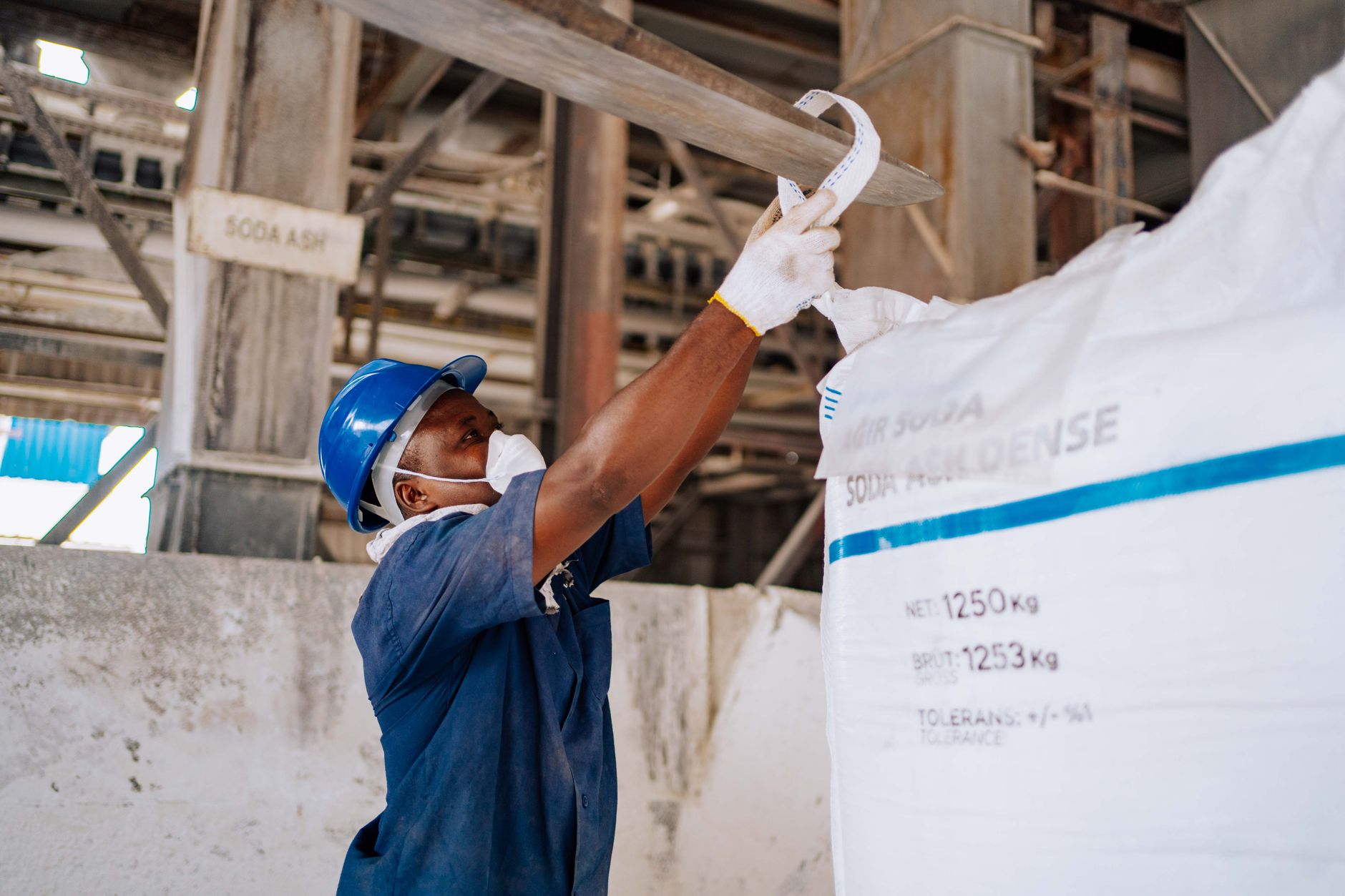
soda ash imports are under scrutiny as India considers a two-year quota to protect its local industry. This move aims to boost domestic production and reduce reliance on foreign suppliers.
Understanding the Soda Ash Market
The soda ash market plays a crucial role in various industries, including glass manufacturing, detergents, and chemicals. India’s decision to impose a quota on soda ash imports reflects a strategic move to safeguard its domestic producers and stabilize the market. This protective measure aims to reduce dependency on foreign supplies, which have been fluctuating due to global demand and pricing pressures.
In recent years, the Indian soda ash industry has faced challenges from international competitors offering lower prices. The proposed quota could help local manufacturers regain competitiveness by allowing them to operate at optimal capacity and invest in technology and innovation.
Key factors influencing the soda ash market include:
- Global production rates
- Environmental regulations
- Market demand forecasts
- Currency fluctuations impacting import costs
Understanding these dynamics is essential for stakeholders looking to navigate the evolving landscape of soda ash imports.
Impact of Import Quotas on Prices
The introduction of import quotas on soda ash is expected to have a significant impact on pricing within the Indian market. As the government aims to protect local manufacturers, the restriction on imports could lead to increased prices for soda ash. This shift may create a ripple effect throughout various industries that depend on this essential raw material.
Analysts predict that with limited competition from foreign suppliers, local producers may raise their prices to maximize profits. Additionally, this could result in:
- Increased production costs: Local manufacturers might face higher input costs, which could be passed on to consumers.
- Supply chain adjustments: Industries that rely heavily on soda ash may need to find alternative suppliers or adjust their production strategies.
- Market volatility: Fluctuations in soda ash imports could lead to unpredictable pricing trends in the coming years.
Ultimately, the quota’s effectiveness in stabilizing the local market remains to be seen.
Local Industry Response to Quota Proposal
The proposal for a two-year quota on soda ash imports has sparked significant debate among local industry stakeholders. Many manufacturers have expressed support, believing that the measure would provide much-needed protection against foreign competition. Rajesh Kumar, a spokesperson for a leading soda ash producer, stated, “This quota is essential for leveling the playing field and ensuring the sustainability of our operations.”
However, not all responses have been positive. Some industry analysts warn that restricting imports could lead to higher prices for consumers. Meera Patel, an economist, commented, “While protecting local industry is important, we must consider the potential impact on end-users who rely on affordable soda ash.”
In addition, smaller manufacturers are concerned about the long-term effects of such quotas, fearing they may lead to complacency within the local industry. They advocate for a balanced approach that protects local interests while maintaining competitive pricing in the market.
Future of Soda Ash Production in India
The future of soda ash production in India appears to be on a transformative path, influenced by recent government initiatives aimed at protecting the local industry. With the proposal of a two-year quota on soda ash imports, domestic producers are poised to gain a competitive edge, encouraging investment in local manufacturing capabilities.
Experts suggest that these protective measures could lead to enhanced production efficiency and innovation within the sector. By prioritizing local supply chains, the government aims to reduce dependency on foreign imports, which have historically dominated the market.
Furthermore, as global demand for soda ash continues to rise, India’s move to limit imports could position the country as a significant player in the international market. The local industry may see increased job creation and a boost in economic stability as production ramps up in response to the import quotas.
Overall, the strategic focus on soda ash imports reflects a broader commitment to fortifying India’s manufacturing landscape.
Photo by Keegan Checks on Pexels

Leave a Reply