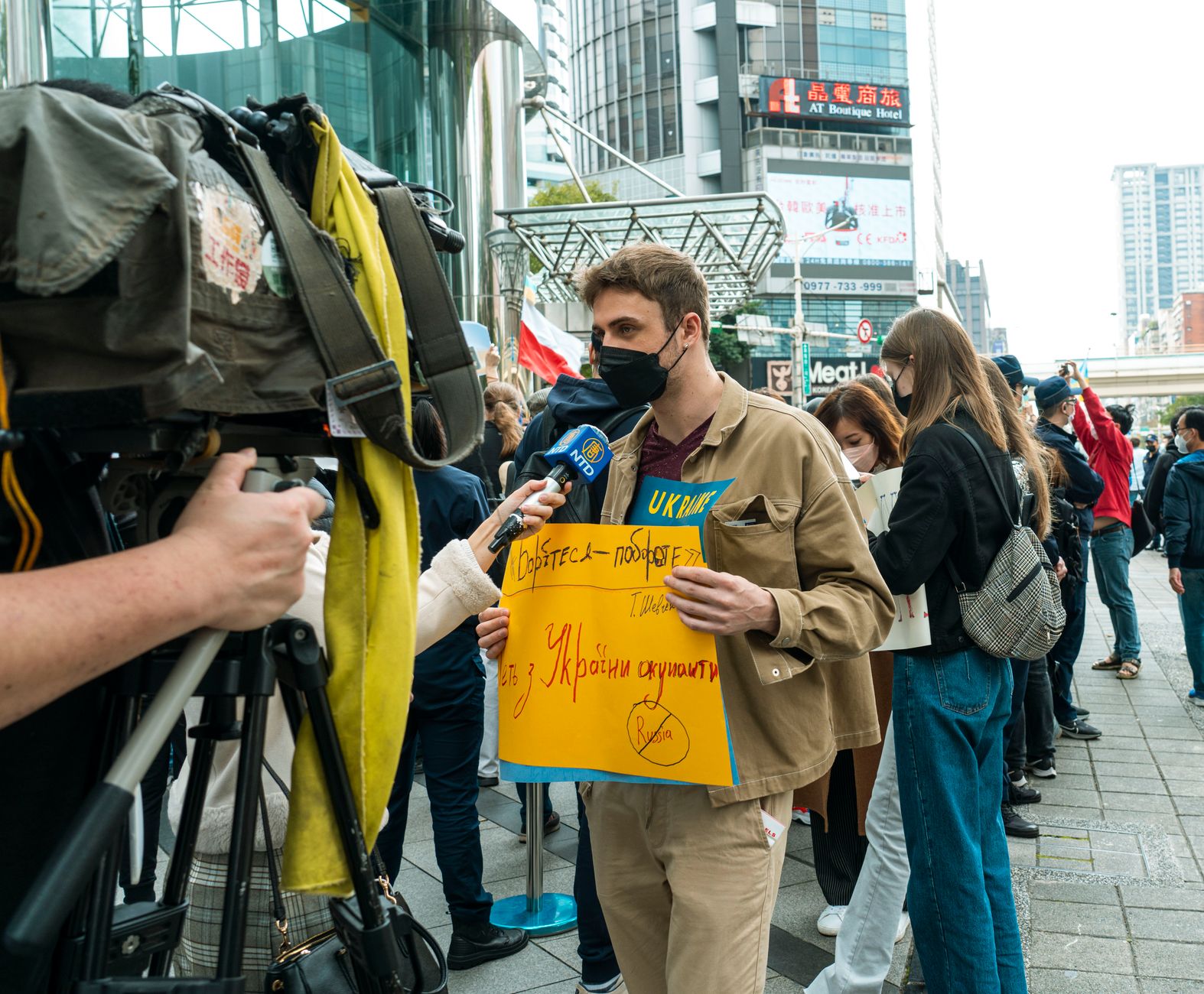
Ukraine peace talks are set to resume this week in Abu Dhabi, bringing hope for a resolution to the ongoing conflict. The discussions aim to foster dialogue and cooperation among involved parties.
Overview of the Ukraine Peace Talks
The ongoing Ukraine peace talks have garnered significant attention as diplomatic efforts intensify to resolve the ongoing conflict. With negotiations resuming this week in Abu Dhabi, leaders from various nations are convening to discuss potential pathways to a lasting ceasefire.
These peace talks aim to address key issues that have fueled the conflict, including territorial disputes and humanitarian concerns. The discussions are critical, as they represent a unified effort to bring stability to the region.
Participants in the negotiations include:
- Ukrainian representatives
- Russian officials
- International mediators
- Regional allies
As the talks progress, there is cautious optimism that a framework for peace may emerge. Stakeholders are emphasizing the necessity of open dialogue and compromise to achieve a resolution that respects Ukraine’s sovereignty while addressing Russia’s security interests.
In the coming days, the world will be watching closely to see if the Ukraine peace talks can pave the way for a brighter future.
Key Participants in the Abu Dhabi Talks
The recent Ukraine peace talks in Abu Dhabi have attracted a diverse group of key participants, each playing a vital role in facilitating dialogue and fostering a potential resolution. Among those involved are:
- Ukrainian Government Representatives: Led by the Foreign Minister, they aim to articulate Ukraine’s needs and concerns effectively.
- Russian Officials: Their delegation seeks to negotiate terms that prioritize their national interests while addressing the ongoing conflict.
- International Mediators: Representatives from the United Nations and various countries are present to facilitate discussions and ensure a balanced approach.
- Non-Governmental Organizations: Various NGOs are participating to provide insights on humanitarian impacts and advocate for civilian needs.
The involvement of these key players highlights the complexities of the Ukraine peace talks and the necessity for collaboration to pave a clear path towards resolution.
Impact of Resuming Peace Negotiations
The resumption of the Ukraine peace talks in Abu Dhabi marks a significant turning point in the ongoing conflict. As negotiators reconvene, the impact of these discussions could reshape the geopolitical landscape in Eastern Europe.
Experts believe that a successful outcome may lead to:
- Increased stability: A resolution could foster a more stable environment, reducing tensions not only in Ukraine but across the region.
- Economic benefits: Ending hostilities may facilitate trade and investment opportunities, aiding Ukraine’s recovery and economic growth.
- Humanitarian improvements: Peace negotiations can pave the way for humanitarian aid to reach affected populations, improving living conditions for many.
However, the road to a lasting settlement will not be easy. Stakeholders must navigate complex political dynamics and address the concerns of all parties involved. The outcome of the Ukraine peace talks may ultimately determine the future trajectory of both Ukraine and its neighbors.
Historical Context of Ukraine Conflict
The conflict in Ukraine has deep historical roots, dating back to the 2014 annexation of Crimea by Russia. This event marked a significant turning point, igniting tensions that have led to ongoing military confrontations and a humanitarian crisis in the region. The situation escalated further in February 2022, when Russia launched a full-scale invasion of Ukraine, prompting widespread condemnation and sanctions from the international community.
Over the years, various attempts at diplomacy have been made to resolve the conflict, with mixed results. The Minsk agreements, established in 2014 and 2015, aimed to cease hostilities and provide a framework for peace, but violations have persisted.
In light of these challenges, the recent Ukraine peace talks in Abu Dhabi represent a renewed effort to find a comprehensive resolution. Stakeholders are now more focused on creating a sustainable peace framework that addresses both territorial integrity and the security concerns of all parties involved.
Future Prospects for Peace in the Region
The ongoing Ukraine peace talks have sparked optimism regarding future stability in the region. As negotiations continue in Abu Dhabi, several key factors could influence the path towards resolution.
First, the commitment of all parties involved to genuinely engage in dialogue is essential. A collaborative spirit among negotiators could pave the way for a lasting agreement. Additionally, the international community’s support, particularly from major powers, will play a critical role in maintaining momentum towards peace.
Moreover, addressing the humanitarian needs of affected populations remains a priority. Initiatives aimed at rebuilding trust and facilitating cooperation between Ukraine and its neighbors may foster a more conducive environment for lasting peace.
As discussions progress, it is vital for stakeholders to remain flexible and open to compromise. The willingness to adapt agreements based on evolving circumstances will be crucial for achieving a comprehensive resolution to the conflict.
Ultimately, the success of the Ukraine peace talks will depend on the collective resolve to prioritize long-term stability over immediate gains.
Photo by Jimmy Liao on Pexels
Leave a Reply