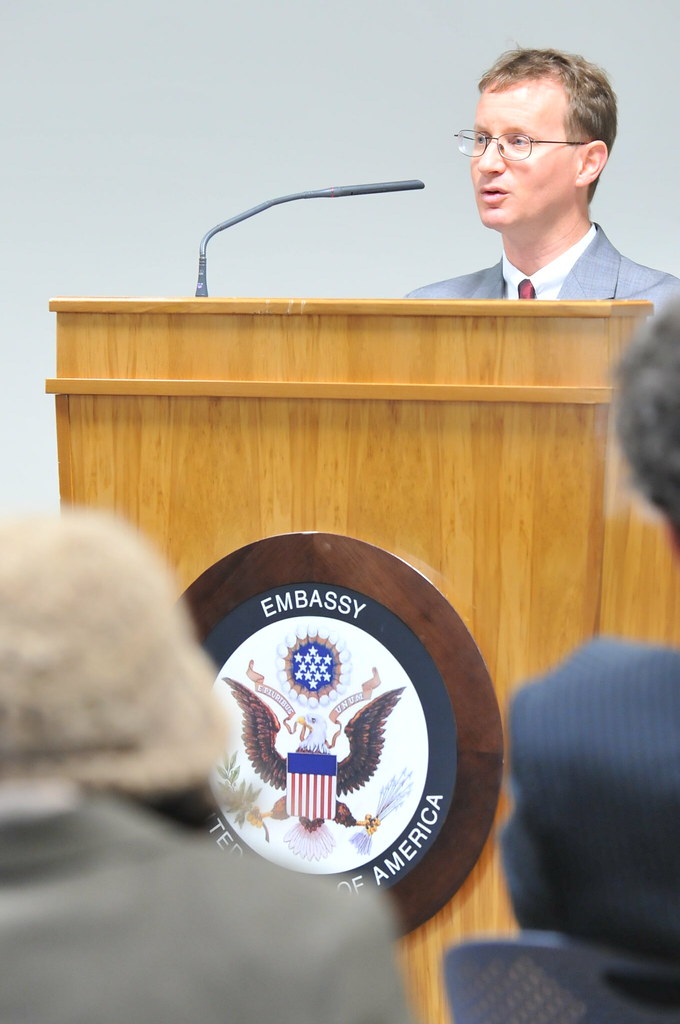
The first Muslim senator has been elected, as Abdul El-Sayed wins the Michigan Senate race. This historic achievement showcases the growing diversity in American politics.
Historic Election Results
The recent election has marked a significant milestone in American politics, with Abdul El-Sayed becoming the first Muslim senator in U.S. history. His victory in the Michigan Senate race not only reflects the changing demographics of the nation but also highlights the growing acceptance of diverse backgrounds in political leadership.
El-Sayed’s campaign focused on issues that resonate with a broad range of voters, including:
- Healthcare reform: Advocating for affordable healthcare access for all.
- Education: Promoting equitable funding for public schools.
- Social justice: Addressing systemic inequalities faced by marginalized communities.
His election is celebrated as a victory for inclusion and representation, showcasing the importance of diverse voices in shaping policy and governance. Many community leaders and activists have expressed their excitement, emphasizing that El-Sayed’s win is a step forward towards a more representative democracy.
As the first Muslim senator, El-Sayed’s presence in the Senate will undoubtedly influence future generations, inspiring young leaders from all backgrounds to engage in politics and make their voices heard.
Abdul El-Sayed’s Campaign Journey
Abdul El-Sayed’s campaign journey has been marked by determination and resilience, culminating in his historic victory as the first Muslim senator in the United States. His grassroots approach resonated with diverse communities across Michigan, as he focused on issues that matter most to them.
Throughout the campaign, El-Sayed prioritized key themes, including:
- Healthcare Reform: Advocating for universal healthcare access for all residents.
- Education Equity: Pushing for increased funding for public schools and affordable college education.
- Climate Action: Promoting sustainable policies to combat climate change.
- Economic Justice: Supporting measures to ensure fair wages and job opportunities.
El-Sayed’s background as a physician and public health expert provided him with a unique perspective on these pressing issues, allowing him to connect with voters on a personal level. His campaign also emphasized the importance of representation, making his win as the first Muslim senator a significant milestone for diversity in American politics.
As he prepares to take office, the impact of his victory extends beyond Michigan, inspiring many across the nation.
Impact on US Politics
The election of Abdul El-Sayed as the first Muslim senator marks a significant shift in the landscape of US politics, reflecting a growing acceptance of diversity within the American electoral system. His victory is not only a personal achievement but also serves as a beacon of hope for many underrepresented communities.
El-Sayed’s presence in the Senate is expected to influence various key areas:
- Policy Representation: As the first Muslim senator, he brings unique perspectives on issues such as immigration, healthcare, and civil rights, which can lead to more inclusive policies.
- Inspiring Future Leaders: El-Sayed’s success is likely to inspire a new generation of diverse candidates to pursue office, emphasizing that political representation is attainable regardless of background.
- Community Engagement: His election can strengthen ties between government and minority communities, fostering greater participation and advocacy at all levels of politics.
Ultimately, Abdul El-Sayed’s role as the first Muslim senator represents a pivotal moment in US politics, highlighting the importance of diverse voices in shaping the nation’s future.
Voter Reactions and Opinions
The election of the first Muslim senator has sparked a wave of reactions from voters across the country. Many have taken to social media to express their excitement and pride in this historic milestone. Supporters of Abdul El-Sayed have shared their hopes for increased representation in government, particularly for marginalized communities.
One voter, Amina Khan, stated, “Having a Muslim senator is a huge step forward for diversity in our political landscape. It shows that anyone can aspire to hold office, regardless of their background.”
Others have noted the significance of El-Sayed’s victory in light of ongoing discussions about inclusivity in politics. Some local leaders have emphasized the importance of having voices from all walks of life in legislative decisions.
However, not all reactions have been positive. A segment of voters expressed concerns about El-Sayed’s policies and their potential impact on the state. “I worry about how his views will align with traditional values,” said one opponent.
Overall, the election of the first Muslim senator has sparked important conversations about representation, identity, and the future of American politics.
Diversity in the Senate
The election of Abdul El-Sayed as the first Muslim senator marks a significant milestone for diversity in the United States Senate. This achievement is not just a personal victory for El-Sayed, but also a triumph for underrepresented communities across the country. With his groundbreaking win, El-Sayed brings a unique perspective to the legislative body, reflecting the multicultural fabric of American society.
Diversity in the Senate has long been a topic of discussion, as representation plays a crucial role in shaping policies that affect various demographic groups. El-Sayed’s presence in the Senate is expected to inspire a new generation of leaders, encouraging individuals from diverse backgrounds to engage in politics and public service.
As the first Muslim senator, El-Sayed’s election sends a powerful message about inclusion and acceptance. It demonstrates that people from all walks of life can achieve high office, breaking down barriers that have historically existed in American politics. This milestone not only enhances representation but also fosters a more comprehensive dialogue on issues that matter to a broader range of constituents.
In this new era of representation, the contributions of diverse voices like El-Sayed’s will be vital in shaping the future of the Senate.
Challenges Ahead for El-Sayed
As the first Muslim senator, Abdul El-Sayed faces a unique set of challenges that will test his leadership and commitment to representing a diverse constituency. While his historic election has been celebrated as a milestone for diversity, the road ahead is not without obstacles.
One of the primary challenges will be navigating the political landscape in a polarized environment. El-Sayed will need to build coalitions across party lines to advance his agenda and effectively serve the needs of his constituents. Other potential hurdles include:
- Addressing Prejudice: As a Muslim leader, he may encounter biases and prejudices that could impact his ability to govern.
- Policy Implementation: Translating campaign promises into actionable policies amidst differing opinions within the Senate.
- Public Perception: Managing public perceptions and ensuring that his identity as the first Muslim senator does not overshadow his qualifications and policies.
Despite these challenges, El-Sayed’s supporters remain optimistic about his ability to effect change and inspire a new generation of leaders. His journey reflects a growing acceptance and recognition of diversity within the political arena.
Future of Muslim Representation
The election of Abdul El-Sayed as the first Muslim senator marks a significant turning point in the representation of diverse communities within the U.S. political landscape. His victory not only highlights the growing acceptance of diverse identities but also sets a precedent for future candidates seeking to break barriers.
As the first Muslim senator, El-Sayed’s presence in the Senate is expected to encourage a new wave of political engagement among younger Muslim voters. This demographic, historically underrepresented, may find inspiration in El-Sayed’s story and message. His campaign resonated with many who seek authentic representation and policies that reflect their values and concerns.
Looking ahead, El-Sayed’s role will likely influence other aspiring politicians from minority backgrounds. It opens doors for more inclusive dialogues on issues such as immigration, healthcare, and social justice, which are crucial for many communities.
Moreover, the future of Muslim representation in politics depends on continued advocacy and support from grassroots organizations that empower candidates. As El-Sayed steps into his new role, the hope is that he will pave the way for a more diverse Senate that truly reflects the fabric of American society.
By US Embassy New Zealand via Openverse
Sources
Related stories
HGS IPO allotment status: Quick and Clear Guide · Stock futures fall: The Worst Impact on Investors · India vs New Zealand Live: Quick Updates You Can Trust

Leave a Reply