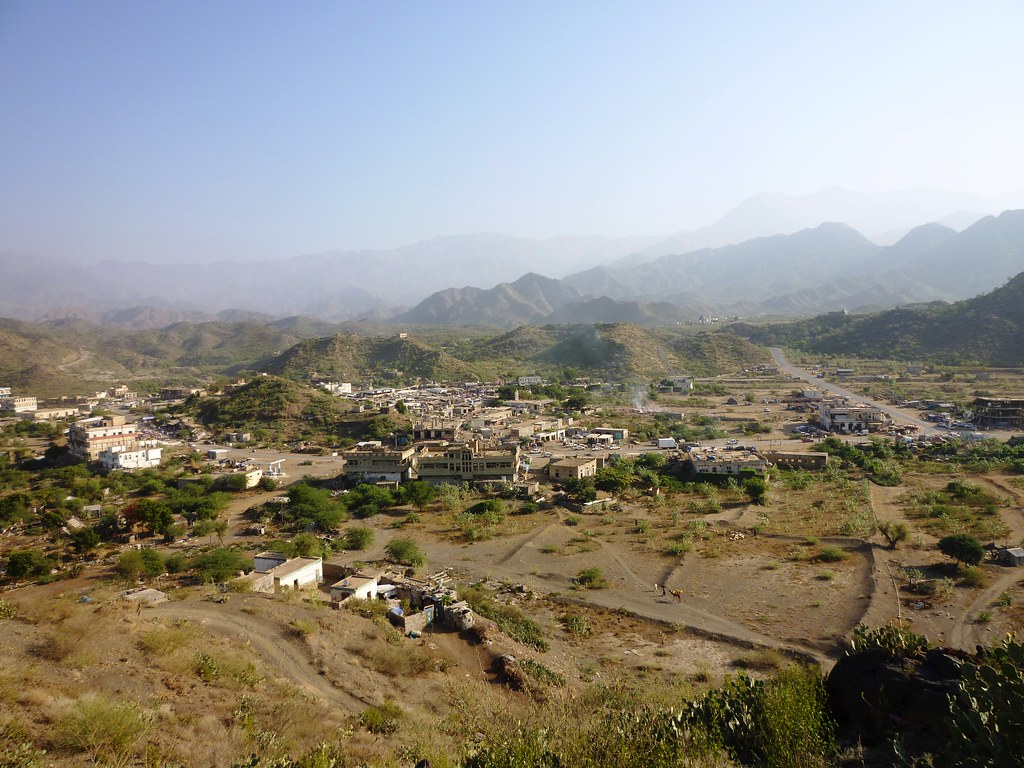
The Saudi-Houthi conflict has recently escalated, leading to significant developments that could reshape the region’s future. Understanding these changes is crucial for grasping the implications.
Overview of the Saudi-Houthi Conflict
The Saudi-Houthi conflict has been a significant crisis in the Middle East, marked by a series of violent escalations and humanitarian challenges. This ongoing struggle began in 2014 when Houthi rebels seized control of Yemen’s capital, Sanaa, prompting a military intervention by a Saudi-led coalition. The conflict has since spiraled, drawing in regional powers and exacerbating an already dire humanitarian situation.
Key developments in the Saudi-Houthi conflict include:
- The Houthis’ continued missile attacks on Saudi territory.
- The Saudi coalition’s airstrikes targeting Houthi positions.
- Increased international calls for peace negotiations.
- The involvement of Iran in supporting the Houthis.
- Widespread famine and displacement affecting millions in Yemen.
- Attempts at ceasefires that have often been short-lived.
- Emerging discussions about a potential resolution to the conflict.
As the situation evolves, the future of Yemen remains uncertain, with peace prospects hinging on diplomatic efforts and regional dynamics.
Recent Escalations in the Region
In recent weeks, the Saudi-Houthi conflict has intensified, leading to significant developments that could reshape the region’s political landscape. Tensions have escalated as military confrontations have increased along the Saudi-Yemeni border, resulting in numerous casualties on both sides.
Among the most notable events are:
- Increased Airstrikes: Saudi-led coalition forces have ramped up airstrikes targeting Houthi positions in northern Yemen.
- Missile Attacks: The Houthis have launched a series of missile attacks towards Saudi cities, which have raised concerns about civilian safety.
- Humanitarian Crisis: The ongoing conflict has exacerbated the humanitarian situation, with millions facing food insecurity and lack of medical supplies.
- International Responses: Global powers are calling for renewed diplomatic efforts to resolve the Saudi-Houthi conflict and restore peace.
As both sides remain entrenched in their positions, the outlook for de-escalation appears increasingly bleak.
Key Players Involved in the Conflict
The Saudi-Houthi conflict involves several key players, each with their own interests and agendas. Understanding these participants is crucial to grasping the dynamics of the ongoing struggle.
- Saudi Arabia: As the main adversary of the Houthis, Saudi Arabia aims to restore the Yemeni government and counter Iranian influence in the region.
- The Houthis: Formally known as Ansar Allah, they seek to establish control over Yemen, advocating for the rights of the Zaidi Shia community.
- Iran: Providing support to the Houthis, Iran views the conflict as an opportunity to expand its regional influence and challenge Saudi dominance.
- The Yemeni Government: Recognized internationally, it has struggled to maintain authority amidst the chaos, relying heavily on Saudi support.
- The United States: Engaged in diplomatic efforts, the U.S. has been involved in counterterrorism operations and has provided military assistance to Saudi Arabia.
These players contribute significantly to the complexities of the Saudi-Houthi conflict, impacting both local and regional stability.
Impact on Civilians and Humanitarian Efforts
The ongoing Saudi-Houthi conflict has had devastating effects on civilians in the region, exacerbating an already dire humanitarian crisis. With millions displaced, access to basic necessities such as food, clean water, and healthcare has become increasingly limited.
According to humanitarian organizations, the situation has reached alarming levels:
- Food Insecurity: Over 20 million people are estimated to be food insecure, with many on the brink of famine.
- Healthcare Access: Numerous hospitals have been damaged or destroyed, leaving civilians without adequate medical care.
- Displacement: Millions have been forced to flee their homes, creating a significant refugee crisis.
- Psychological Impact: The constant threat of violence has led to widespread trauma among the affected populations.
Humanitarian efforts continue to be hindered by the ongoing conflict, making it difficult to deliver aid to those in desperate need. As the Saudi-Houthi conflict persists, the situation for civilians remains precarious, raising concerns about future developments in the region.
International Reactions to the Crisis
The international community has expressed deep concern over the ongoing Saudi-Houthi conflict, with various nations and organizations calling for immediate dialogue and ceasefire. Notably, the United Nations has urged both parties to engage in peace talks to alleviate the humanitarian crisis affecting millions.
Responses from key countries include:
- The United States: Emphasizing diplomatic efforts, the U.S. has called for a de-escalation of hostilities and increased humanitarian aid.
- Iran: As a supporter of the Houthis, Iran has condemned Saudi military actions and offered to mediate discussions aimed at reaching a peaceful resolution.
- European Union: The EU has reiterated its commitment to supporting humanitarian efforts and has imposed arms embargoes on the region to prevent further violence.
As the Saudi-Houthi conflict continues to evolve, international pressure for a resolution intensifies, with hopes that a united global stance can lead to lasting peace.
Future Prospects for Peace
As the Saudi-Houthi conflict continues to evolve, the prospects for peace remain uncertain. Various diplomatic efforts have emerged, aiming to bring a resolution to the ongoing violence and humanitarian crisis. Key stakeholders are increasingly recognizing the necessity of dialogue, but significant challenges persist.
Several factors may influence the future of this conflict:
- International Mediation: Increased involvement from global powers could facilitate negotiations, although varied interests may complicate these efforts.
- Internal Dynamics: The Houthi leadership and Saudi Arabia’s stance will play critical roles in shaping any potential agreements.
- Humanitarian Needs: The dire situation on the ground necessitates an urgent resolution to address the suffering of civilians affected by the conflict.
- Regional Stability: Broader geopolitical tensions in the Middle East could either hinder or help peace initiatives.
Ultimately, the path towards peace in the Saudi-Houthi conflict will require sustained commitment from all parties involved.
Conclusion: What Comes Next?
As the Saudi-Houthi conflict continues to escalate, the situation remains precarious with no clear resolution in sight. The humanitarian crisis has reached alarming levels, prompting calls for urgent international intervention. Key stakeholders must prioritize dialogue and compromise to address the underlying issues fueling this prolonged conflict.
Looking ahead, several possible scenarios could unfold:
- Increased Diplomatic Efforts: Nations may work together to facilitate negotiations aimed at a ceasefire and long-term peace.
- Continued Military Engagement: Both sides could escalate their military operations, prolonging the conflict and worsening humanitarian conditions.
- Regional Implications: The conflict may draw in neighboring countries, creating a larger regional crisis that complicates peace efforts.
Ultimately, the future of the Saudi-Houthi conflict hinges on the willingness of all parties to engage in constructive dialogue and prioritize the well-being of civilians affected by the ongoing violence.
By EU Civil Protection and Humanitarian Aid via Openverse
References
You might also like
Vijay Humiliate Rashmika: The Real Story Behind Koffee With Karan · Shamonda virus case: France reports first human infection · Sub-Meter Ranging Mars: Proven Techniques for Accurate Measurement
Leave a Reply