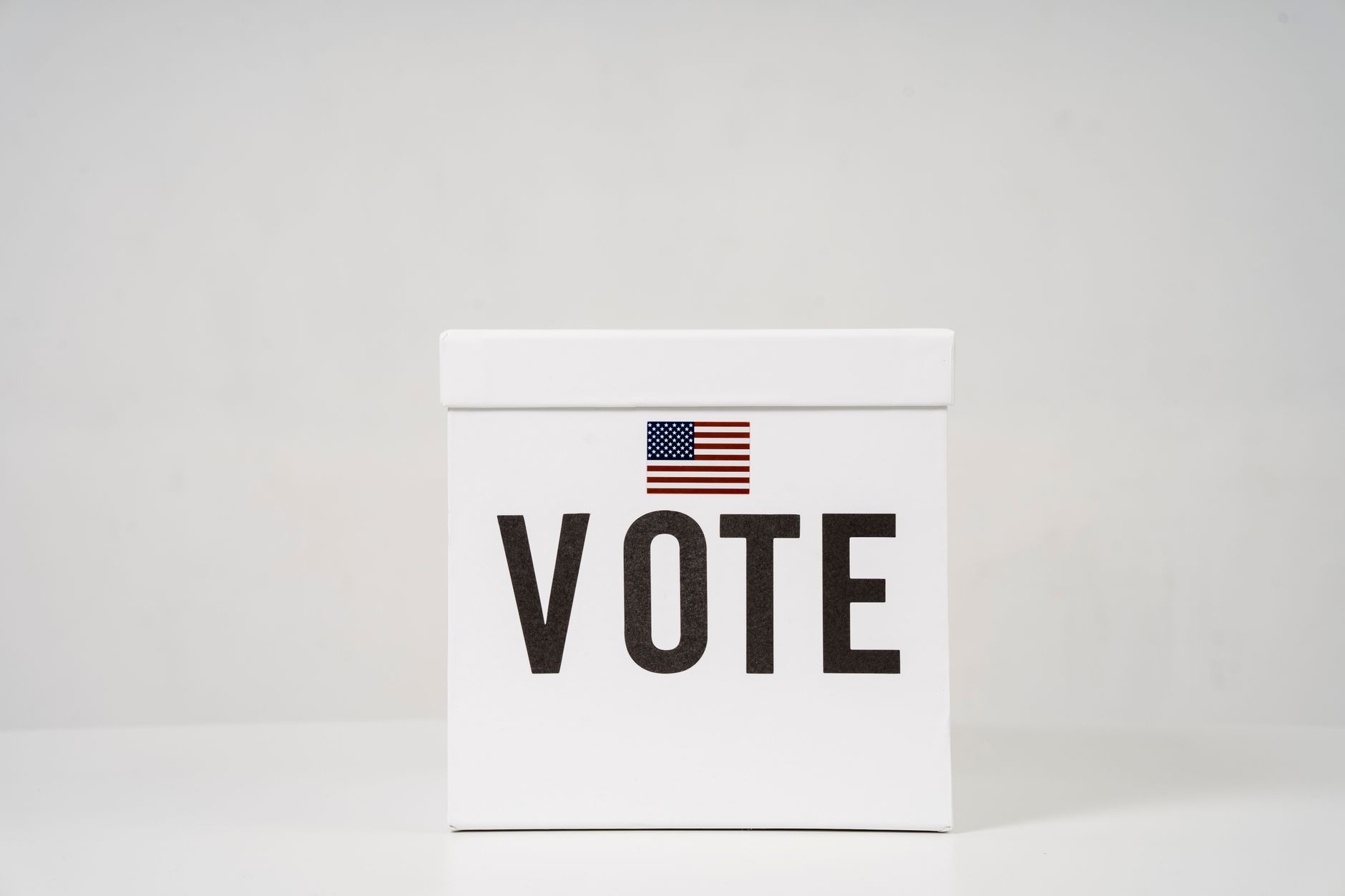
America’s election approaches, and citizens are feeling the pressure as the nation grapples with critical issues and divisive politics.
What to expect in the upcoming election
As America’s election approaches, voters are bracing for what many are calling the worst election yet. With rising tensions and deepening divisions, the atmosphere is charged as the country prepares to cast its votes. Key issues are expected to dominate the debates and discussions leading up to the polls.
Here are a few factors to consider:
- Polarization: The political landscape has become increasingly polarized, with candidates often taking extreme positions to rally their bases.
- Disinformation: The spread of fake news and misinformation is anticipated to play a significant role, complicating the decision-making process for voters.
- Voter Engagement: Organizations are working tirelessly to increase voter turnout, emphasizing the importance of participation in shaping the future.
- Economic Concerns: Economic issues, including inflation and job security, are likely to influence voter preferences significantly.
As America’s election approaches, it remains to be seen how these factors will impact the outcome and the nation’s unity.
Key issues shaping the election landscape
As America’s election approaches, several key issues are shaping the landscape and influencing voter sentiment. The political climate is marked by a series of pressing challenges that candidates must address to resonate with the electorate.
- Economic Concerns: With inflation affecting everyday life, many voters are prioritizing economic stability and job security.
- Healthcare: The ongoing debates around healthcare accessibility and affordability remain a top concern for many families.
- Climate Change: Environmental issues continue to gain traction, with increasing demand for sustainable policies and practices.
- Social Justice: Movements advocating for racial and social equality are influencing public discourse and voter engagement.
- Election Integrity: Discussions about voting rights and election security are more prominent, as citizens seek to ensure fair and transparent processes.
These factors collectively contribute to what some analysts describe as potentially the worst election yet, reflecting a deeply polarized and anxious electorate as America’s election approaches.
America’s election approaches: Voter sentiments
As America’s election approaches, voter sentiments are more polarized than ever. Many citizens express frustration and disillusionment with the political landscape, feeling that their voices are not being heard. Polls indicate a growing sense of uncertainty, with voters concerned about the implications of their choices.
Key sentiments among the electorate include:
- Frustration: Many voters are tired of partisan bickering and seek candidates who prioritize unity and cooperation.
- Apathy: A significant portion of the population feels disenchanted with the process, leading to a decline in voter engagement.
- Hope: Conversely, there remains a segment of the electorate that is optimistic about change, eager to support candidates who represent fresh ideas and diverse perspectives.
Overall, as the election draws near, understanding these varied sentiments will be crucial for candidates hoping to connect with voters and address their concerns effectively.
Historical context of elections in America
The historical context of elections in America reveals a complex landscape shaped by pivotal moments and societal shifts. As America’s election approaches, it’s essential to recognize how past elections have influenced current political dynamics.
Throughout history, several key events have marked significant turning points, including:
- The Civil Rights Movement: This era brought about critical changes in voting rights, expanding access for marginalized groups.
- The Watergate Scandal: This event shook public trust in government, leading to increased scrutiny of candidates and their actions.
- The Rise of Digital Media: The internet and social media have transformed campaigning, enabling rapid dissemination of information and misinformation alike.
These historical milestones remind us that each election is not merely a political event but a reflection of the evolving values and tensions within American society. As America’s election approaches, understanding this context is crucial for voters navigating the current landscape.
Candidates to watch this election cycle
As America’s election approaches, several candidates have emerged as key figures to watch this election cycle. Their positions and strategies could significantly influence the outcome of the race.
- Candidate A: Known for their progressive policies, Candidate A aims to attract younger voters by focusing on climate change and education reform.
- Candidate B: A seasoned politician, Candidate B is appealing to traditional voters with promises to strengthen the economy and bolster national security.
- Candidate C: With a background in grassroots activism, Candidate C seeks to mobilize disenfranchised communities and emphasizes the importance of voting rights.
- Candidate D: A controversial figure, Candidate D has sparked debates with their polarizing views on immigration and healthcare.
As the election draws near, these candidates will be closely scrutinized, and their ability to resonate with the electorate may prove crucial in a time when many feel disillusioned with the political process.
As America’s election approaches, many voters are expressing concerns over the divisive nature of the campaigns. With the stakes higher than ever, America’s election approaches could reveal deep rifts within the electorate.
Photo by Sora Shimazaki on Pexels

Leave a Reply