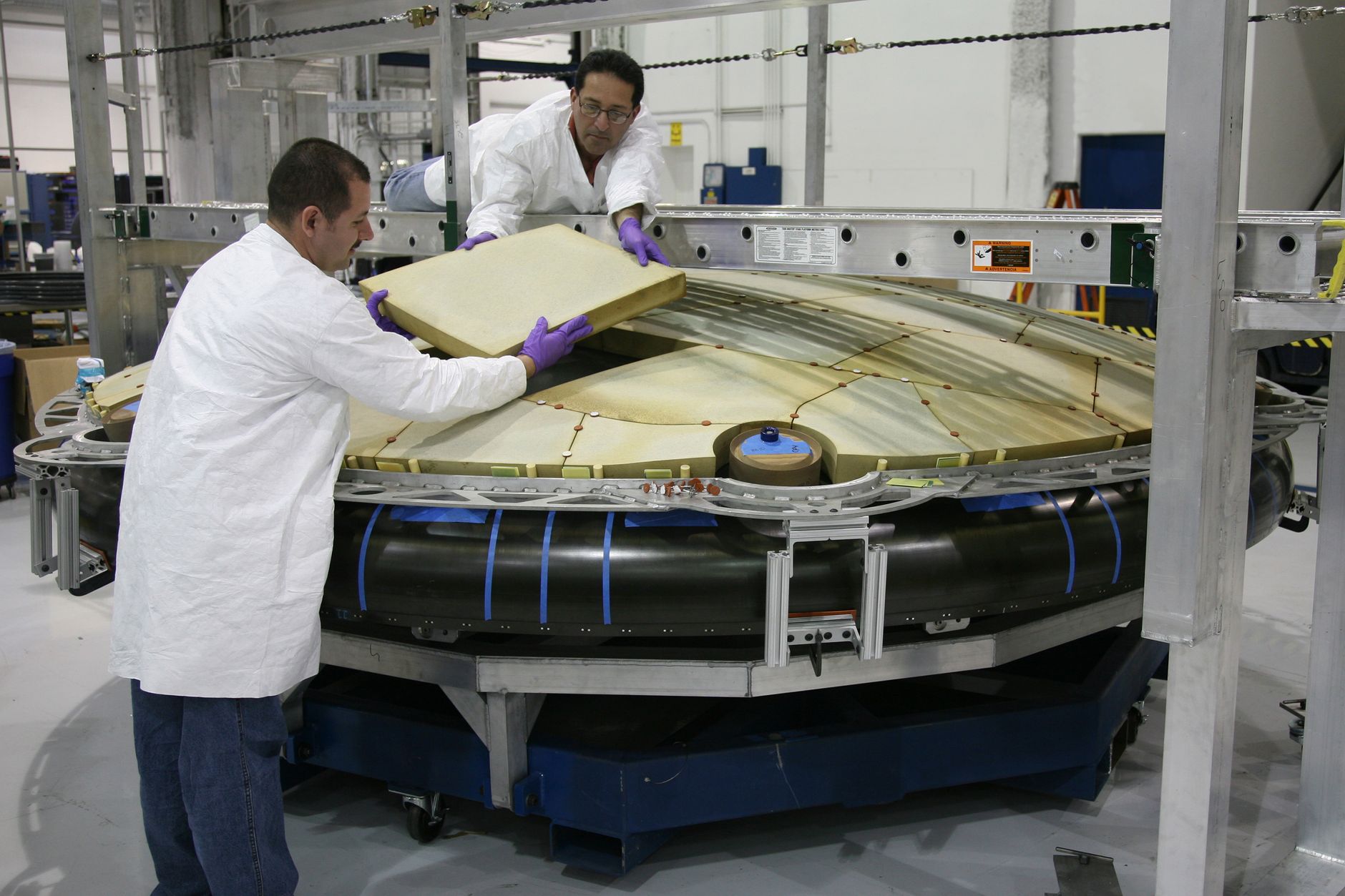
In-space manufacturing plans are becoming a reality as Varda successfully places 2 spacecraft in orbit and gears up for 8 more. This ambitious initiative promises to revolutionize production in space.
Overview of Varda’s Mission
Varda Space Industries is paving the way for the future of in-space manufacturing plans with its innovative approach to utilizing microgravity for production. With two spacecraft currently in orbit and an additional eight planned for launch, Varda is set to revolutionize how goods are manufactured beyond Earth.
The mission of Varda is to harness the unique conditions of space to create products that cannot be replicated on the ground. This includes a variety of materials and pharmaceuticals that could benefit from the lack of gravity and other environmental factors found in space.
The company aims to establish a sustainable ecosystem for in-space manufacturing that not only supports its own operations but also serves other industries looking to leverage space for their production needs. Varda’s spacecraft are designed to operate autonomously, allowing for continuous production cycles and the ability to scale operations as demand grows.
As Varda continues to develop its technology and expand its fleet, it is expected to attract significant interest from both private and governmental entities eager to tap into the potential of space-based manufacturing.
By demonstrating the viability of in-space manufacturing plans, Varda is leading the charge toward a new era of production that could change the landscape of various industries for years to come.
The Technology Behind In-Space Manufacturing
The advancements in in-space manufacturing plans are largely driven by innovative technologies designed to operate in the unique environment of space. One of the key technologies involves the use of 3D printing, which allows for the creation of complex components from raw materials available in orbit.
Additionally, researchers are exploring the potential of robotics to automate manufacturing processes, which can enhance efficiency and reduce human intervention. This is particularly important in space, where conditions can be unpredictable and the need for precision is paramount.
Among the most promising strategies are:
- Resource Utilization: Utilizing local resources, such as asteroids or lunar regolith, can minimize the need for transporting materials from Earth.
- Modular Systems: Designing modular components that can be easily assembled in space allows for greater flexibility and adaptability in manufacturing.
- Collaborative Technologies: Implementing collaborative technologies among different spacecraft can enable real-time data sharing and improve production efficiency.
As these technologies continue to advance, the prospects for in-space manufacturing become increasingly promising, paving the way for new possibilities in space exploration and industry.
Varda’s Current Spacecraft Status
Varda’s current spacecraft status reflects the ambitious vision the company holds for in-space manufacturing plans. As of now, Varda has successfully deployed two spacecraft into low Earth orbit, demonstrating key capabilities in manufacturing products beyond our planet.
The first spacecraft, Varda-1, was launched successfully last year and has undergone a series of tests to validate the manufacturing processes in microgravity. This pioneering mission has provided invaluable data that will shape future endeavors in the field.
Meanwhile, Varda-2 is on its way, scheduled for launch within the coming months. This spacecraft aims to build upon the successes of its predecessor and expand the range of materials that can be manufactured in space. The lessons learned from both spacecraft will serve as a foundation for future in-space manufacturing plans.
Varda is also preparing to launch an additional eight spacecraft in the next year, each designed to test various manufacturing techniques and produce experimental materials. These upcoming missions are crucial for understanding the commercial viability of in-space manufacturing and could lead to significant advancements in the aerospace industry.
With a solid strategy and a focus on innovative technology, Varda is poised to lead the charge in the exciting new frontier of in-space manufacturing.
Future Plans for Additional Spacecraft
As Varda continues to expand its capabilities in in-space manufacturing, future plans for additional spacecraft are taking shape. The company has announced intentions to launch eight more spacecraft in the coming years, significantly bolstering its operational fleet. This growth is essential for meeting the increasing demand for in-space manufacturing plans, which aim to revolutionize production methods beyond Earth’s atmosphere.
The upcoming spacecraft will feature enhanced technologies and larger capacity, allowing for more complex manufacturing processes. Among the key strategies Varda is implementing are:
- Modular Design: Each new spacecraft will be designed with modular components, enabling easy upgrades and repairs.
- Collaborative Partnerships: Varda is seeking partnerships with research institutions and private companies to maximize innovation and resource sharing.
- Advanced Materials Science: Focus will be placed on researching and developing materials that can only be synthesized in microgravity environments.
With these strategies in place, Varda aims to establish a robust infrastructure for in-space manufacturing, paving the way for a new era of production that could support various industries, from pharmaceuticals to aerospace.
Challenges in Space Manufacturing
As the realm of in-space manufacturing evolves, several challenges must be addressed to ensure the success of these ambitious projects. The complexities of operating in a microgravity environment present unique hurdles that can significantly impact manufacturing processes.
Key challenges include:
- Material Behavior: In microgravity, materials can behave unpredictably, affecting the quality and consistency of manufactured products.
- Resource Management: Efficiently utilizing resources, such as power and raw materials, is crucial for the sustainability of in-space manufacturing plans.
- Technical Limitations: Current manufacturing technologies may require adaptation to function optimally in space, necessitating innovative engineering solutions.
- Logistical Issues: Transportation of materials to and from orbit poses logistical challenges that can complicate the supply chain for manufacturing operations.
Furthermore, the need for reliable communication between Earth and space is essential to monitor and control manufacturing processes. Despite these challenges, companies like Varda are committed to overcoming obstacles and advancing in-space manufacturing capabilities. Their efforts will not only enhance the feasibility of future missions but also pave the way for a new era of space industry innovation.
Potential Applications of In-Space Production
The potential applications of in-space manufacturing plans are vast and varied, opening up new frontiers in both scientific and commercial fields. By utilizing the unique conditions of space, manufacturers can produce materials and products that are not feasible on Earth.
Some of the most promising applications include:
- Pharmaceuticals: Manufacturing complex drugs and proteins in microgravity can lead to higher purity and improved efficacy.
- Materials Science: The ability to create advanced materials with unique properties, such as stronger alloys and lighter composites, can revolutionize industries.
- Satellite Components: Production of specialized components in orbit can reduce launch costs and enable rapid prototyping.
- Construction of Space Infrastructure: In-space manufacturing allows for the assembly of larger structures, such as space stations or habitats, directly in orbit.
- Consumer Products: The creation of specialized goods for space tourists or astronauts could enhance the overall experience of living and working in space.
As Varda and other companies continue to develop their in-space manufacturing plans, the potential to change the landscape of space exploration and commercial activity becomes increasingly tangible.
Industry Reactions to Varda’s Plans
Industry reactions to Varda’s plans for in-space manufacturing have been overwhelmingly positive, with experts highlighting the potential impact this technology could have on various sectors.
Many aerospace analysts believe that Varda’s innovative approach could revolutionize the way materials are produced and utilized in space. Dr. Emily Carter, a leading researcher in space technologies, stated, “Varda’s plans for in-space manufacturing represent a significant leap forward. The ability to create materials on demand could streamline missions and reduce costs dramatically.”
Furthermore, investors are showing keen interest in Varda’s vision. Several venture capital firms are aligning their portfolios with companies engaged in space manufacturing, seeing it as a promising growth area. James Liu, an investor in aerospace startups, remarked, “The in-space manufacturing plans are not just about producing goods; they are about building a sustainable economy in orbit.”
However, not all feedback has been uniformly positive. Some industry veterans caution against the ambitious timeline set by Varda. They stress the need for thorough testing and validation of the technologies before widespread implementation. Nevertheless, the general sentiment is one of excitement and optimism, as Varda’s plans could pave the way for a new era in space exploration and industry.
Conclusion on the Future of In-Space Manufacturing
In conclusion, the future of in-space manufacturing looks promising, with Varda’s ambitious plans setting a precedent for the industry. As more spacecraft are launched, the potential for creating products in the unique environment of space becomes increasingly viable. The ability to utilize microgravity for manufacturing could revolutionize numerous sectors, from pharmaceuticals to advanced materials.
Varda’s ongoing efforts demonstrate that the technology is not just a theoretical concept; it is rapidly evolving into a functional reality. As challenges such as resource management and regulatory frameworks are addressed, the strategies that have proven effective in early missions will likely be refined and expanded upon.
Looking ahead, several factors will play a critical role in the success of in-space manufacturing plans:
- Collaboration: Partnerships with governmental agencies and private companies will enhance innovation.
- Investment: Increased funding will drive research and development in this field.
- Public Interest: Raising awareness about the benefits of in-space production will attract support.
As we continue to explore the possibilities, Varda’s commitment to pushing the boundaries of technology could pave the way for a new era of manufacturing that extends far beyond Earth.
The success of in-space manufacturing plans relies heavily on collaboration between private companies and government agencies. By sharing resources and expertise, we can refine our in-space manufacturing plans to maximize efficiency and innovation.
Photo by SpaceX on Pexels

Leave a Reply