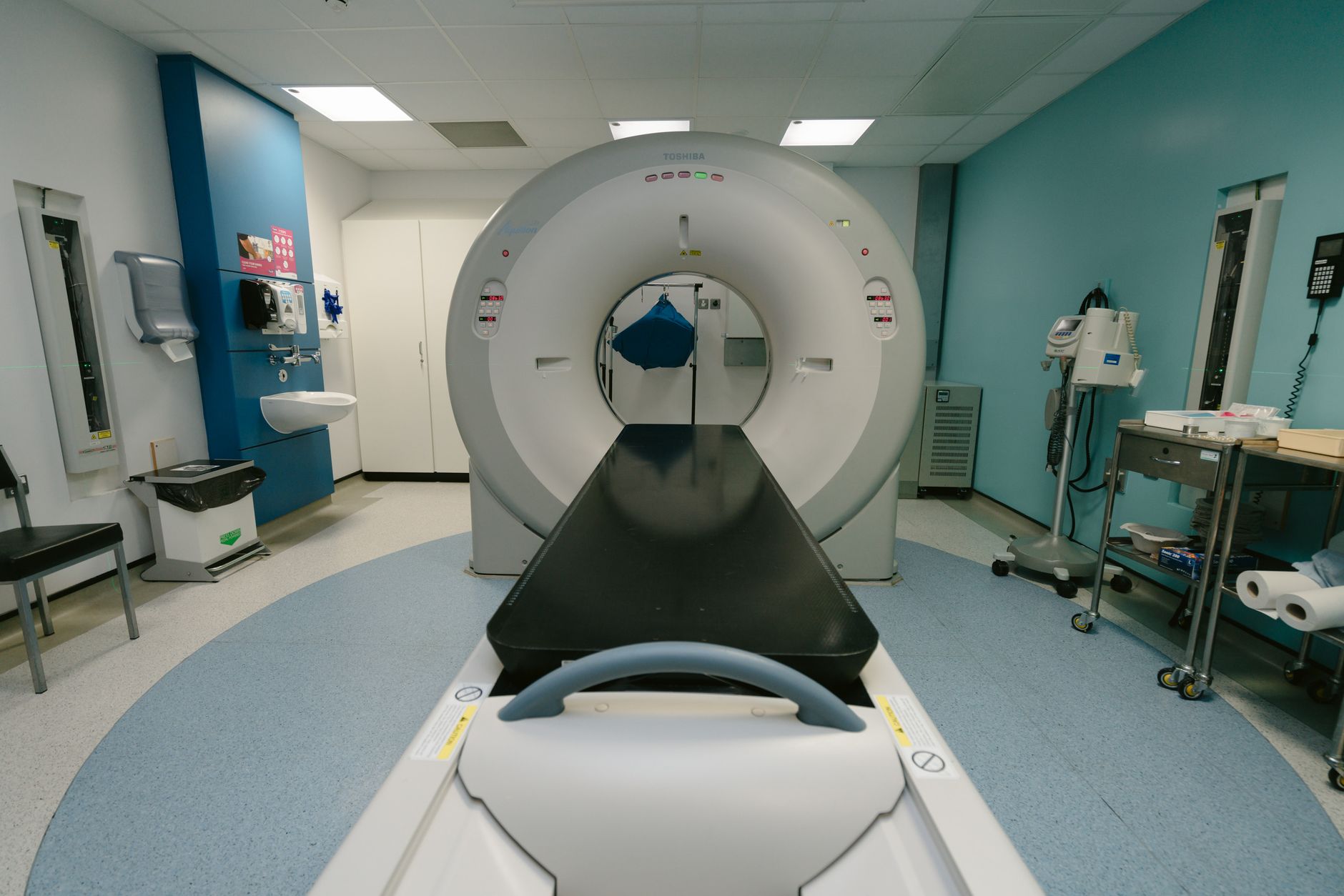
TSA new scanner is set to roll out, and it may create a headache for carry-on travelers. This new technology aims to enhance security but could complicate the boarding process.
What is the TSA New Scanner?
The TSA new scanner represents the latest advancement in airport security technology, aimed at enhancing passenger safety while streamlining the screening process. This innovative device utilizes advanced imaging techniques to provide clearer and more detailed images of carry-on items, allowing agents to identify potential threats with greater accuracy.
However, the introduction of the TSA new scanner has raised concerns among frequent travelers. Many are apprehensive about the potential for increased wait times at security checkpoints. As the TSA implements these machines across various airports, travelers may experience delays as they adapt to new protocols and procedures associated with the scanners.
Key features of the TSA new scanner include:
- 3D Imaging: Provides a comprehensive view of the contents within bags.
- Automated Detection: Employs algorithms to identify risky items.
- Reduced Need for Manual Inspections: Aims to decrease the number of bags that require additional screening.
In conclusion, while the TSA new scanner may enhance security, its impact on travel efficiency remains to be seen.
How Will It Affect Carry-On Travelers?
The introduction of the TSA new scanner has raised concerns among frequent flyers, particularly those who travel with carry-on luggage. Passengers may face increased scrutiny as the technology aims to enhance security measures at airports.
One significant change could be the way travelers pack their bags. The new scanner is designed to provide clearer images of items inside carry-ons, which may lead to more thorough inspections. As a result, travelers might find themselves needing to remove more items from their bags during the screening process.
Some potential impacts of the TSA new scanner include:
- Longer wait times: Increased checks may lead to longer queues at security checkpoints.
- New packing guidelines: Passengers might need to adjust how they organize their belongings to comply with the new scanner requirements.
- Increased item removal: More items may need to be removed for individual screening, complicating the process.
Travelers should stay informed and prepare for possible delays as these changes are implemented in airports nationwide.
Pros and Cons of the New Technology
The introduction of the TSA new scanner has sparked a debate among travelers regarding its advantages and disadvantages.
- Pros:
- The TSA new scanner enhances security by providing clearer images of carry-on items, helping to identify potential threats more effectively.
- It reduces the need for physical bag checks, which can speed up the screening process and minimize wait times at security checkpoints.
- With improved technology, the scanner can differentiate between various materials, potentially lowering false alarms and unnecessary delays.
- Cons:
- Some travelers have reported that the new scanner can be more time-consuming, as it requires additional training for TSA agents to interpret the advanced imaging.
- Privacy concerns have been raised, with passengers worried about the level of detail captured in the scans.
- Lastly, the scanner’s installation and maintenance costs may lead to increased operational expenses for airports, which could indirectly affect travelers through higher fees.
Expert Opinions on TSA Changes
As the rollout of the TSA new scanner progresses, industry experts weigh in on the implications for travelers. Many express concerns about the potential delays at security checkpoints, which could lead to longer wait times for passengers.
- Dr. Emily Carter, a travel analyst, highlights that while the technology aims to enhance security, it may inadvertently complicate the screening process. “Travelers should be prepared for possible disruptions as the TSA adjusts to this new equipment,” she notes.
- James Reynolds, a former TSA official, believes that the new scanner’s capabilities could lead to more efficient screenings in the long run. “Initially, it might be a headache, but with proper training, TSA agents will adapt and streamline operations,” he asserts.
- Linda Garcia, a frequent flyer, voices her frustrations, stating, “I’ve already experienced longer waits with new equipment in the past. I hope the TSA can mitigate these issues with the new scanner.”
As travelers prepare for the changes, the consensus remains that adaptability will be key in navigating the evolving landscape of airport security.
Tips for Navigating the New Scanner
As travelers prepare for the rollout of the TSA new scanner, there are several tips to keep in mind to ease the transition and minimize any potential headaches at the airport.
- Arrive Early: Give yourself extra time at security checkpoints. The new scanner may slow down the process, so plan accordingly.
- Stay Informed: Keep up with any updates from the TSA regarding the new scanner. Familiarize yourself with the new procedures to avoid surprises.
- Organize Your Carry-On: Place items that may set off the scanner in easily accessible areas of your bag. This can speed up the screening process.
- Follow Instructions: Pay close attention to TSA agents’ directions. They are trained to help you navigate the new scanner effectively.
- Remain Patient: Understand that any new system comes with a learning curve. Remaining calm can help you and others around you.
By taking these steps, travelers can mitigate some of the stress associated with the TSA new scanner and enjoy a smoother airport experience.
Future of Airport Security Technology
The future of airport security technology is evolving rapidly, and the TSA new scanner is a significant part of this transformation. As airports around the world adopt more advanced scanning systems, travelers may experience a shift in how security processes are managed.
Experts suggest that while the TSA new scanner aims to improve safety and efficiency, it may also introduce new challenges. Increased automation and enhanced imaging capabilities could lead to faster processing times; however, the learning curve associated with the new technology might frustrate some passengers initially.
As the TSA implements these changes, it is crucial for both travelers and airport staff to adapt. Some potential future developments include:
- Integration with biometric identification: Streamlining the identification process for quicker boarding.
- Improved training for TSA agents: Ensuring staff are well-versed in the new systems.
- Passenger education: Offering resources to help travelers understand the scanning process.
Ultimately, the effectiveness of the TSA new scanner will depend on how well these challenges are addressed in the coming years.
Photo by Jo McNamara on Pexels

Leave a Reply