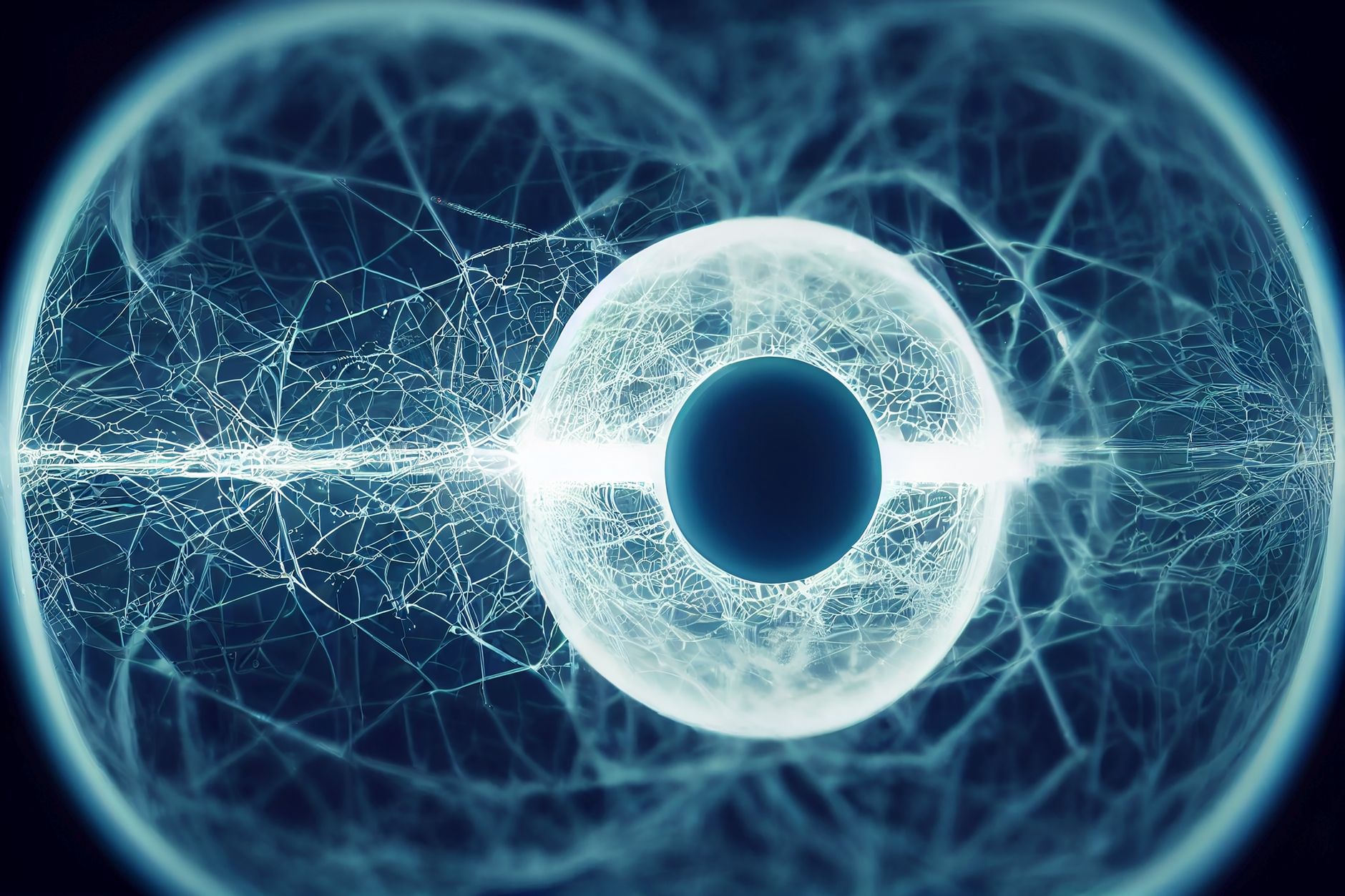
AI cell models are transforming modern cell biology research. This innovative approach is redefining how scientists study and understand cellular processes.
Understanding AI Cell Models
AI cell models represent a significant breakthrough in the field of cell biology, leveraging advanced algorithms to simulate cellular processes with unprecedented accuracy. These models utilize vast datasets to predict cellular behavior, enabling researchers to explore complex biological systems in ways that were previously unattainable.
Key advantages of AI cell models include:
- Enhanced Predictive Power: By analyzing patterns in biological data, these models can forecast responses to various stimuli.
- Time and Cost Efficiency: AI cell models reduce the need for extensive laboratory testing, accelerating the research timeline.
- Personalization: They can be tailored to individual patient data, paving the way for precision medicine.
As researchers continue to refine these innovative tools, the implications for drug development and disease understanding are profound, potentially transforming modern cell biology research.
The Impact of AI on Cell Biology
The integration of artificial intelligence in cell biology has led to transformative advancements, particularly through the development of AI cell models. These models offer researchers a powerful tool for simulating complex biological processes, ultimately enhancing our understanding of cellular behavior.
One significant impact of AI cell models is the acceleration of drug discovery. By accurately predicting how cells respond to various compounds, researchers can identify potential treatments more efficiently. Additionally, AI-driven analytics facilitate the interpretation of vast datasets, allowing scientists to uncover patterns that would otherwise remain hidden.
Furthermore, AI cell models contribute to personalized medicine by enabling tailored therapies based on individual cellular responses. This innovative approach not only enhances treatment efficacy but also minimizes adverse effects.
In summary, the incorporation of AI into cell biology is reshaping research methodologies and paving the way for groundbreaking discoveries in the field.
Key Benefits of Advanced Cell Models
Advanced cell models, particularly those powered by AI, offer numerous benefits that significantly enhance research in cell biology. These models enable scientists to:
- Improve Accuracy: AI cell models provide highly accurate simulations of cellular processes, reducing the risks of experimental errors.
- Accelerate Research: By automating data analysis and prediction, researchers can save time and streamline their workflows.
- Enhance Drug Discovery: AI models assist in identifying potential drug candidates faster, leading to more efficient therapeutic development.
- Facilitate Personalized Medicine: Tailored treatments can be developed by utilizing AI to analyze individual cellular responses, improving patient outcomes.
- Reduce Costs: The efficiency of AI cell models can lower the financial burden associated with traditional laboratory methods.
In summary, the integration of AI in cell models is revolutionizing the field, yielding profound implications for future research and therapy.
How AI is Transforming Research
The integration of artificial intelligence into cell biology is revolutionizing research methodologies. AI cell models are enabling scientists to simulate complex cellular processes with unprecedented accuracy and speed. This transformation is characterized by several key advancements:
- Enhanced Predictive Capabilities: AI algorithms analyze vast datasets, offering predictions about cell behavior that were previously unattainable.
- Streamlined Experimentation: Researchers can test hypotheses in silico, reducing the need for extensive wet lab experiments and accelerating discovery.
- Personalized Medicine: AI cell models contribute to the development of tailored therapies by mimicking patient-specific cellular responses.
- Cross-disciplinary Collaboration: The fusion of AI with biology fosters collaboration among data scientists and biologists, leading to innovative approaches.
As these technologies continue to evolve, the future of cell biology research looks more promising than ever, driven by the immense potential of AI cell models.
Challenges in Implementing AI Cell Models
Despite the promising advancements in AI cell models, several challenges hinder their widespread implementation in cell biology research. One major issue is the data quality. AI models rely heavily on accurate and comprehensive datasets, and any inconsistencies can lead to unreliable outcomes. Additionally, many researchers lack the necessary expertise in both cell biology and artificial intelligence, creating a knowledge gap that must be bridged for successful integration.
Moreover, the cost associated with developing and maintaining these advanced models can be prohibitive for smaller laboratories. There is also a significant regulatory hurdle, as the use of AI in biological research raises questions about compliance and ethical considerations.
Finally, collaboration across disciplines is essential, yet often difficult to achieve, leading to fragmented efforts in the field. Overcoming these challenges is crucial for the future success of AI cell models in revolutionizing cell biology.
Future of AI in Biological Research
The future of AI cell models in biological research holds exciting possibilities that could revolutionize our understanding of cellular processes. As technology continues to evolve, researchers are exploring innovative ways to integrate AI with traditional biological methods.
Experts predict that the application of AI in biological research will lead to:
- Enhanced Predictive Modeling: AI cell models can simulate complex biological interactions, enabling more accurate predictions of cellular behavior.
- Personalized Medicine: By utilizing AI, researchers can tailor treatments based on individual cellular responses, potentially improving patient outcomes.
- Accelerated Drug Discovery: AI-driven models can quickly identify promising drug candidates, reducing the time and cost of bringing new therapies to market.
- Increased Collaboration: The integration of AI tools fosters collaboration among scientists, leading to shared insights and breakthroughs.
Overall, the advancements in AI cell models signify a transformative era in biological research, promising to unlock new frontiers in science.
Real-World Applications of AI Cell Models
AI cell models have begun to revolutionize various fields, leading to significant advancements in cell biology research. Their real-world applications are vast and impactful, making them invaluable tools for scientists and researchers.
Some notable applications include:
- Drug Discovery: AI cell models allow for the rapid screening of drug candidates, significantly reducing the time and cost associated with traditional methods.
- Disease Modeling: These models enable researchers to simulate and study complex diseases, leading to better understanding and potential treatment options.
- Personalized Medicine: By using AI cell models, healthcare providers can tailor treatments based on individual patient biology, enhancing efficacy.
- Biotechnology Innovations: AI-driven insights help in developing new bioproducts and optimizing manufacturing processes.
Overall, AI cell models are paving the way for innovative solutions in the biological sciences, transforming how we approach research and development.
Expert Opinions on AI Innovations
Experts in the field of cell biology are increasingly optimistic about the potential of AI cell models to revolutionize research methodologies. Dr. Emily Tran, a leading biologist, commented, “These advanced models not only streamline experiments but also enhance the accuracy of predictions concerning cell behavior.”
Similarly, Professor Mark Liu emphasized the collaborative power of AI, stating, “Integrating artificial intelligence with traditional biology enables us to uncover insights that were previously unattainable.” Such sentiments reflect a growing consensus among scientists regarding the transformative capabilities of AI.
Furthermore, Dr. Sarah Kim noted the importance of continuous learning in AI cell models, explaining, “As these models evolve, they adapt to new data, ensuring that our understanding of cellular processes remains cutting-edge.” With these advancements, the future of cell biology research appears brighter than ever.
Overall, the expert opinions highlight a hopeful trajectory for the integration of AI in biological studies.
Photo by Merlin Lightpainting on Pexels

Leave a Reply