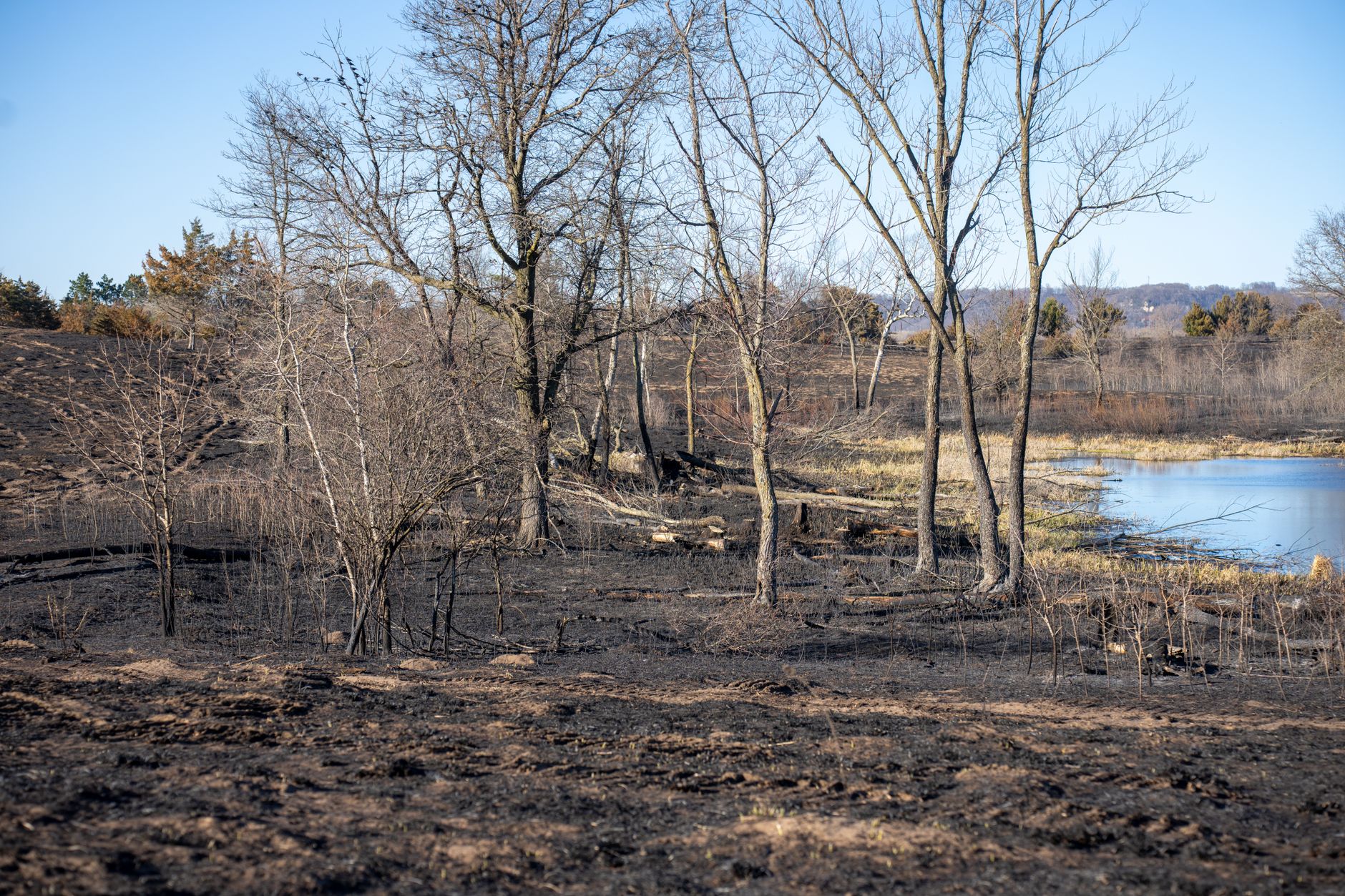
The Pear Lake fire impact is significant, posing risks to highways, properties, and key infrastructure. Recent reports have raised concerns about the aftermath of this devastating fire.
Overview of the Pear Lake fire
The Pear Lake fire has emerged as a significant threat to the surrounding region, with its impact extending beyond immediate fire damage. This wildfire, which has been raging for several days, poses multiple risks, particularly to highways and essential infrastructure. Firefighters are working tirelessly to contain the flames, but the dry conditions and strong winds have complicated their efforts.
Authorities have identified several key concerns regarding the Pear Lake fire impact:
- Highway access: Major routes in the area are at risk of being closed due to fire activity. This could severely disrupt transportation and emergency response efforts.
- Property damage: Homes and businesses located near the fire zone face the threat of destruction, raising concerns for residents and local economies.
- Infrastructure vulnerability: Key infrastructure, including power lines and communication towers, may be affected, leading to widespread outages that can hinder firefighting efforts and public safety communications.
- Environmental impact: The fire could lead to long-term ecological damage, affecting wildlife habitats and local ecosystems.
As the situation develops, officials are urging residents to remain vigilant and prepare for potential evacuations. The full extent of the Pear Lake fire impact will continue to unfold, and authorities are closely monitoring the situation to ensure community safety.
Key infrastructure at risk
The recent Pear Lake fire has raised significant concerns regarding its impact on vital infrastructure, particularly highways that serve as critical routes for both local residents and emergency services. As the fire continues to threaten the surrounding area, the potential risks to these highways are becoming increasingly evident.
- Highway 99: This major route connects key cities in the region and is essential for transportation and logistics. The fire’s proximity poses a risk of road closures due to poor visibility from smoke and potential structural damage from heat.
- Access roads: Smaller access roads that lead to recreational areas and residential communities are at risk of being compromised. These roads are crucial for evacuation and emergency response operations during the fire.
- Bridges and tunnels: Structural integrity of bridges and tunnels may be threatened by the extreme heat generated by the fire. Damage to these structures could isolate communities and hinder firefighting efforts.
- Utility lines: Highways often run parallel to utility lines, which may be damaged by the fire or fallen trees, leading to power outages that can affect communication and emergency services.
The Pear Lake fire impact on highways could create lasting challenges for the region, emphasizing the need for ongoing assessment and proactive measures to safeguard vital infrastructure.
Impact on local highways
The ongoing Pear Lake fire has raised significant concerns regarding its impact on local highways, which are crucial for both transportation and emergency access. As the fire continues to spread, the risks to these routes increase, posing a threat to safety and accessibility for residents and travelers alike.
Officials have noted several critical highways that could be affected by the Pear Lake fire. The potential risks include:
- Road closures: Highways may need to be shut down due to low visibility from smoke or fire activity, hindering the movement of vehicles.
- Detours: Alternate routes may be implemented, which can lead to increased travel times and congestion as drivers seek safer passage.
- Infrastructure damage: Direct flames and heat can compromise the structural integrity of bridges and overpasses, leading to long-term closures.
- Emergency access: Firefighters and emergency services rely on highways to reach affected areas quickly. Disruption could delay crucial response efforts.
The ramifications of the Pear Lake fire extend beyond immediate safety concerns, as prolonged highway disruptions could also impact local economies reliant on transportation networks. Ensuring that these routes remain accessible is essential for maintaining community resilience during this challenging time.
Property damage assessments
In the aftermath of the Pear Lake fire, property damage assessments are crucial to understanding the full impact of the blaze on local communities. Initial reports indicate that numerous structures have suffered varying degrees of damage, raising concerns about safety and recovery efforts.
Local officials have begun compiling a list of affected properties, which includes:
- Residential homes
- Commercial buildings
- Recreational facilities
- Natural resources that support local economies
The extent of the damage is still being evaluated, but preliminary estimates suggest that the financial repercussions could be significant. Many homeowners are facing the possibility of losing their dwellings or dealing with extensive repairs. Local businesses also fear the loss of inventory and revenue due to the fire’s impact on accessibility and patronage.
Moreover, the Pear Lake fire has highlighted the interconnectedness of property damage and highway safety. As highways become critical routes for emergency response and recovery, any damage to these thoroughfares could further complicate efforts to assist affected residents. As assessments continue, it is essential for communities to remain vigilant and prepared for potential aftereffects of the fire, which could pose ongoing risks to both properties and transportation infrastructure.
Community response to the fire
The community response to the Pear Lake fire has been both swift and significant, as residents and local organizations rally to assist those affected by the devastating blaze. With highways compromised and evacuations in place, many community members have taken it upon themselves to offer support through various initiatives.
Local shelters have been established to provide refuge for evacuees, while volunteer groups are working tirelessly to gather essential supplies such as food, water, and clothing. The response has highlighted the resilience and solidarity of the community in the face of disaster.
In addition to immediate relief efforts, local officials have emphasized the importance of safety and preparedness. Community meetings are being held to inform residents about the latest updates regarding the fire and its impact on the area, particularly concerning the risks to highways and travel routes. During these meetings, residents are encouraged to share their concerns and stay informed about evacuation procedures.
Local businesses are also stepping up, offering discounts and services to those displaced by the fire. Many have set up fundraisers to support firefighting efforts and assist families who have lost their homes. The Pear Lake fire impact has undoubtedly left a mark, but the community’s response showcases a dedication to recovery and rebuilding.
Future fire prevention measures
In the wake of the Pear Lake fire, officials are prioritizing future fire prevention measures to mitigate risks to highways and surrounding communities. The fire has underscored the urgent need for enhanced strategies to safeguard critical infrastructure from similar incidents in the future.
Key preventive measures being discussed include:
- Vegetation Management: Regular clearing of dry brush and dead trees along highways can significantly reduce the fuel available for wildfires.
- Controlled Burns: Implementing prescribed burns in strategically chosen areas can help reduce the intensity of potential future fires and create fire breaks.
- Public Awareness Campaigns: Educating residents about fire safety and prevention techniques can empower communities to play an active role in reducing fire risks.
- Investment in Firefighting Resources: Allocating funds for additional firefighting equipment and personnel ensures a quicker response to emerging threats.
- Improved Surveillance: Utilizing technology such as drones and satellite imagery can enhance the monitoring of fire-prone areas, allowing for early detection.
These measures aim to address the impact of the Pear Lake fire on local highways and ensure that such devastating events do not recur. Community involvement and collaboration with local authorities will be essential in the successful implementation of these strategies.
The Pear Lake fire impact has raised significant concerns about the safety of nearby highways. Authorities are closely monitoring the situation to assess the full extent of the Pear Lake fire impact on travel and infrastructure.
Photo by Tom Fisk on Pexels

Leave a Reply