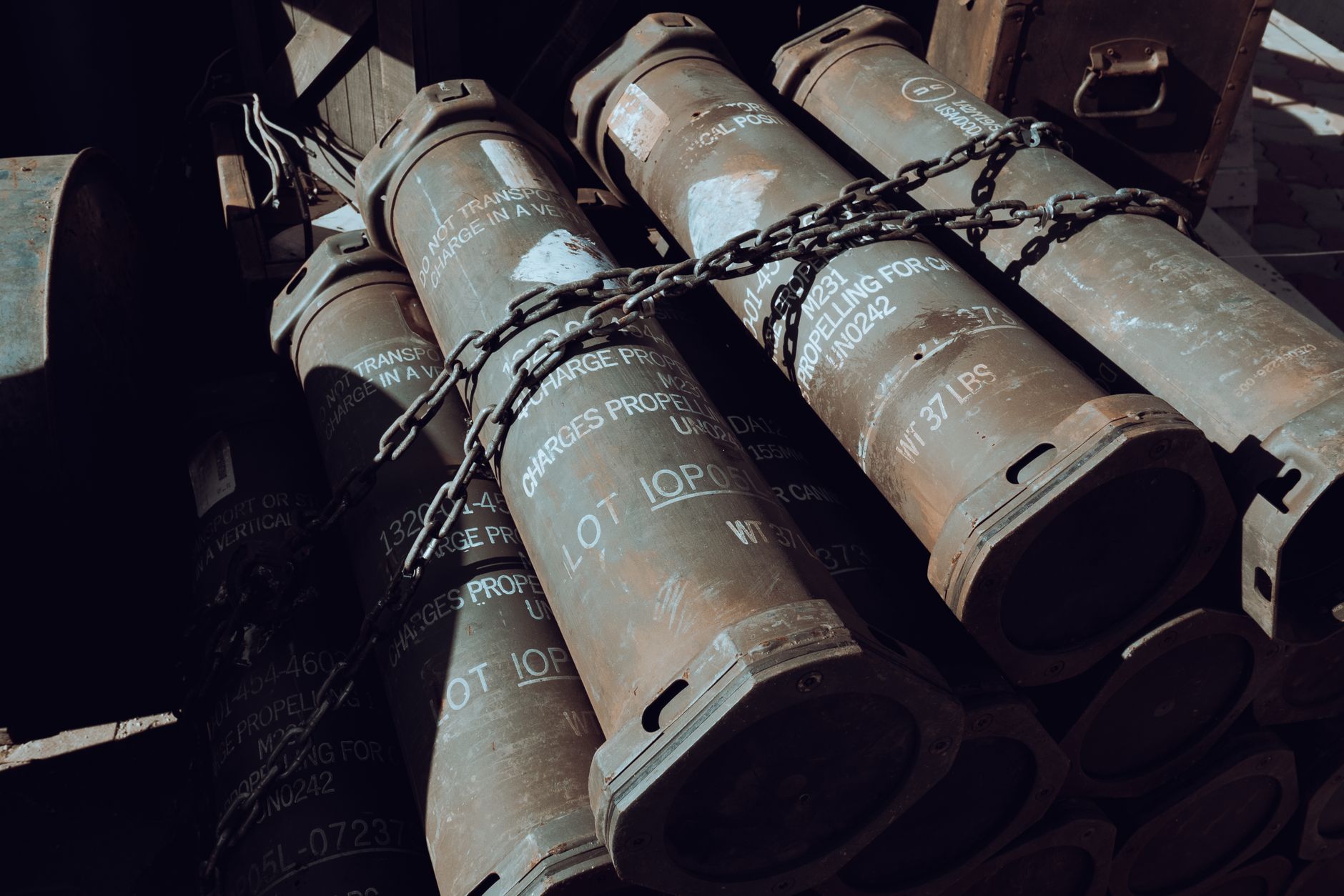
The US military supply crunch is causing growing concerns among defense officials regarding operational readiness. As supply chain issues persist, the military’s ability to respond effectively may be compromised.
Understanding the Supply Crunch
The US military supply crunch has raised significant concerns regarding the readiness and effectiveness of armed forces. As global tensions rise, the demand for military supplies has surged, leading to delays and shortages that could impact national security.
Several factors contribute to this supply crunch:
- Increased Global Tensions: Ongoing conflicts and geopolitical instability have heightened the need for rapid mobilization of resources.
- Supply Chain Disruptions: The COVID-19 pandemic has exposed vulnerabilities in logistics and manufacturing, causing delays in the production and delivery of critical supplies.
- Rising Demand: The military’s modernization efforts require advanced technology and equipment, which adds pressure to existing supply chains.
The implications of this situation are profound. Without a steady flow of essential materials, the US military’s ability to maintain operational readiness could be compromised. Experts warn that prolonged supply shortages may hinder training exercises and delay critical missions, ultimately affecting the military’s strategic capabilities.
As the situation evolves, addressing these supply chain issues will be crucial for ensuring the US military remains prepared for any challenge it may face.
Historical Context of Military Logistics
The current US military supply crunch reflects a series of logistical challenges that have evolved over decades. Historically, military logistics has played a pivotal role in ensuring readiness and operational success. The ability to efficiently transport and manage supplies can mean the difference between victory and defeat in combat scenarios.
In the aftermath of the Cold War, the US military shifted focus to rapid deployment and modernization, often at the expense of traditional supply chains. This led to a reliance on just-in-time logistics, which, while efficient, increased vulnerability during times of crisis. Past conflicts, such as those in Iraq and Afghanistan, revealed significant gaps in supply chain management, prompting military leaders to reassess strategies.
As global tensions rise, the implications of the current supply crunch are becoming increasingly clear. The Pentagon’s reliance on commercial supply chains, combined with economic disruptions, has strained military readiness. Key factors influencing this situation include:
- Increased demand for military equipment
- Supply chain disruptions due to geopolitical tensions
- Budget constraints affecting procurement
To navigate these challenges, the US military must innovate and adapt its logistics framework to ensure ongoing operational effectiveness.
Current Challenges Facing the Military
The current challenges facing the military are multifaceted and deeply concerning. As the US military grapples with a significant supply crunch, its readiness to respond to emerging threats is increasingly jeopardized. Several key factors contribute to this situation.
- Increased Demand: Global conflicts and rising geopolitical tensions have escalated the demand for military supplies, stretching existing resources thin.
- Supply Chain Disruptions: Ongoing disruptions from the pandemic and other logistical hurdles have hindered timely delivery of essential materials.
- Budget Constraints: Budgetary limitations have placed further strain on procurement efforts, making it difficult to replenish stocks and upgrade aging equipment.
- Technological Advancements: Rapid advancements in military technology require continuous updates and new supplies, which are currently hard to source.
These challenges not only impact immediate operational capabilities but also raise concerns about long-term strategic readiness. As the situation evolves, addressing the US military supply crunch will be crucial for maintaining defense capabilities and national security.
Potential Solutions to Supply Issues
The ongoing US military supply crunch has prompted officials to explore various strategies to mitigate its impact on operational readiness. Among the potential solutions being considered are:
- Increased Domestic Production: Boosting the manufacturing of critical supplies within the United States could reduce reliance on foreign sources, ensuring a more stable supply chain.
- Public-Private Partnerships: Collaborating with private companies can enhance innovation and efficiency in logistics, allowing for quicker responses to urgent demand.
- Streamlined Procurement Processes: Simplifying and expediting procurement protocols may help eliminate bureaucratic delays, ensuring that the military receives necessary supplies in a timely manner.
- Enhanced Inventory Management: Investing in advanced inventory systems can provide better tracking and forecasting, preventing shortages before they occur.
- Flexible Logistics Solutions: Adopting more agile logistics strategies can enable the military to adapt quickly to changing circumstances and needs.
By implementing these solutions, the US military aims to address the supply crunch effectively, maintaining its readiness and capability in an increasingly complex global environment.
Impact on National Security
The ongoing US military supply crunch poses significant risks to national security, affecting the readiness and operational capabilities of the armed forces. As supply chains become strained, the military’s ability to respond to emerging threats is compromised.
Military leaders have expressed concerns that delays in obtaining essential equipment and munitions may hinder their responsiveness in critical situations. This supply deficiency can lead to:
- Increased Vulnerability: A lack of necessary resources may expose military assets to greater risk during conflicts.
- Delayed Operations: Missions may face postponements, potentially allowing adversaries to exploit the situation.
- Strategic Uncertainty: Allies may question the reliability of US support, leading to decreased confidence in military partnerships.
Furthermore, as global tensions rise, the US must ensure that its forces are adequately equipped. The current supply crunch not only impacts immediate readiness but also has long-term implications for defense strategy and international stability.
In conclusion, addressing the US military supply crunch is imperative for maintaining national security and ensuring that military personnel are prepared to face any challenge that arises.
Expert Opinions on Readiness
Experts in military logistics and defense strategy are raising alarms about the US military supply crunch and its implications for overall readiness. According to military analysts, the current shortages in critical supplies can severely hinder the ability of armed forces to respond to emerging threats effectively.
One prominent defense strategist, Dr. Emily Carter, emphasized that “logistical resilience is paramount for operational readiness.” She noted that without adequate supplies, training exercises may be compromised, ultimately affecting troop preparedness. Another expert, General Mark Thompson, pointed out that “the supply chain must be robust and adaptable to meet the dynamic demands of military operations.”
Concerns extend beyond immediate operational capabilities. Experts warn that prolonged supply shortages could lead to a deterioration of military morale. In their view, the inability to equip forces properly can create a perception of weakness both domestically and internationally.
To mitigate these risks, analysts recommend investment in innovative supply chain technologies and partnerships with private industry. They stress the importance of proactive measures to ensure that the military remains agile and prepared, despite the current supply challenges.
Future Outlook for Military Supplies
The future outlook for military supplies in the United States is becoming increasingly uncertain as the US military supply crunch continues to pose significant challenges. Analysts predict that without immediate interventions, the repercussions for operational readiness could be severe.
Industry experts have identified several key areas that require urgent attention:
- Manufacturing Capacity: The ability to produce essential military equipment at scale needs enhancement to meet growing demands.
- Sourcing Raw Materials: Supply chain disruptions have highlighted the importance of securing reliable sources for critical materials.
- Investment in Technology: Upgrading logistics technology can streamline operations and improve efficiency.
- Partnerships with Private Sector: Collaborating with private companies may offer innovative solutions to overcome supply chain hurdles.
Moreover, as geopolitical tensions rise, the urgency to address these supply issues intensifies. Experts emphasize that a proactive approach is necessary to mitigate risks and ensure that the military remains prepared for unforeseen challenges. Without strategic planning and investment in supply chains, the long-term implications could hinder national defense capabilities, leaving the military vulnerable.
Government Response to Supply Chain Problems
In response to the ongoing US military supply crunch, government officials have begun implementing a series of measures aimed at addressing the pressing supply chain issues that threaten military readiness. The Department of Defense has convened task forces dedicated to identifying bottlenecks and streamlining procurement processes.
Key actions being taken include:
- Increased Funding: Additional budget allocations have been proposed to enhance production capabilities for critical military components.
- Public-Private Partnerships: The government is fostering collaborations with private sector manufacturers to boost output and expedite delivery timelines.
- Supply Chain Audits: Regular assessments of supply chains are being implemented to identify vulnerabilities and preempt shortages before they escalate.
- Investment in Technology: The Pentagon is exploring innovative technologies such as AI and blockchain to improve logistics efficiency.
As the military grapples with these challenges, maintaining operational readiness remains a top priority. Officials emphasize the need for swift action, as delays in supply can have serious implications for national security and mission success.
The ongoing US military supply crunch has raised concerns about the ability to respond effectively to emerging threats. As resources dwindle, the implications of the US military supply crunch on overall operational readiness become increasingly critical.
Photo by Yena Kwon on Pexels
Sources
Related stories
Combat operations against Iran: The Right Economic Strategy · Top Stories November 10, 2026: Clear Insights and Updates · Migraine Among Nursing Officers: The Hidden Struggle Revealed

Leave a Reply