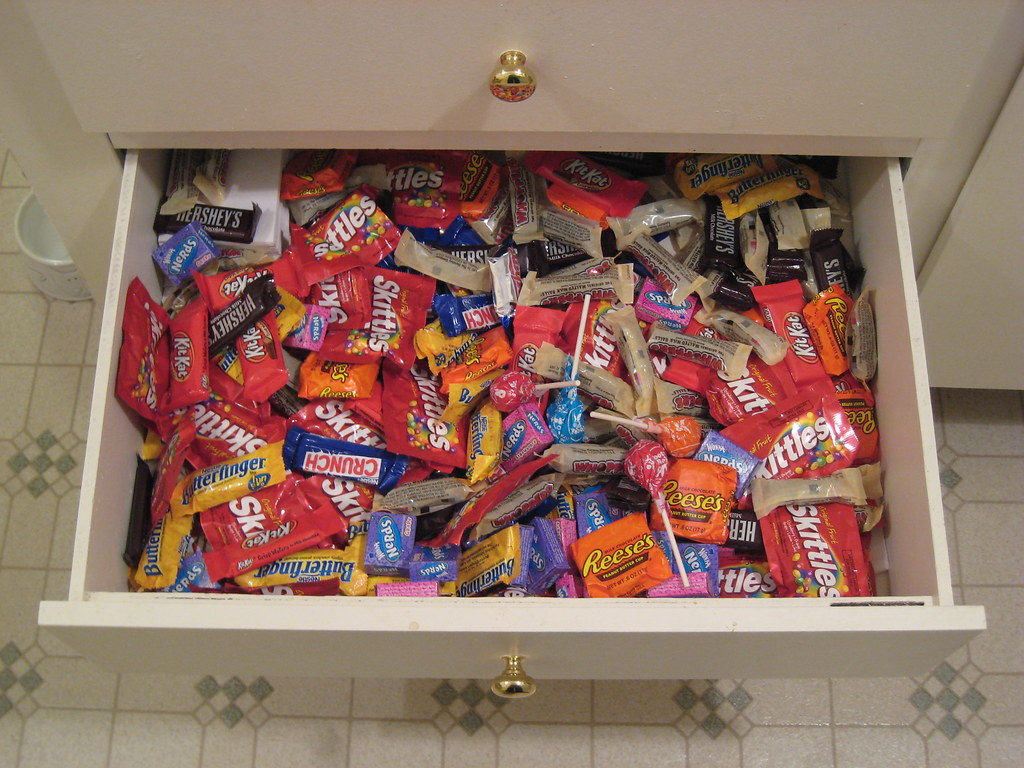
Halloween candy prices have skyrocketed this year, leaving many consumers wondering why. From supply chain issues to increased production costs, several factors contribute to the rising costs of treats during the spooky season.
Understanding the Factors Behind Rising Costs
The rising costs of Halloween candy this year can be attributed to several significant factors that have impacted the confectionery market. Shifts in supply chains, increased production costs, and inflation all play a crucial role in determining the prices consumers see at checkout.
- Supply Chain Disruptions: Ongoing issues stemming from the pandemic have caused delays and shortages, making it harder for manufacturers to get the ingredients they need. These disruptions have forced companies to raise prices to cover the added expenses.
- Raw Material Costs: The prices of key ingredients like sugar, cocoa, and dairy have surged in recent months. As these raw materials become more expensive, candy producers are passing on those costs to consumers, resulting in higher Halloween candy prices.
- Labor Shortages: Many factories are struggling to maintain their workforce, which has led to increased labor costs. With fewer workers available, production rates have slowed, further contributing to higher prices.
- Inflation: Overall inflation has affected various sectors, including food and beverages. As the cost of living rises, companies are adjusting their prices to keep up with the changing economic landscape.
These factors collectively contribute to the elevated Halloween candy prices that consumers are experiencing this year, making it essential for families to budget accordingly.
Supply Chain Disruptions and Their Impact
This year’s Halloween candy prices have been significantly affected by ongoing supply chain disruptions. The challenges faced by manufacturers and distributors have led to a notable increase in costs that consumers are now experiencing at the checkout.
Several factors contribute to these disruptions:
- Ingredient Shortages: The availability of key ingredients, such as sugar and cocoa, has been inconsistent. Weather events and agricultural issues have hindered production, resulting in higher prices for these essential components.
- Shipping Delays: With the global shipping industry still recovering from the pandemic, many companies are grappling with delays. This has caused a backlog in transporting goods, further inflating the costs associated with Halloween candy.
- Labor Shortages: The candy manufacturing industry has faced workforce challenges, leading to reduced production capacity. Fewer workers mean that companies are struggling to meet demand, which can drive prices upward.
- Increased Fuel Costs: Rising fuel prices have a cascading effect on transportation expenses, making it more costly to deliver candy to retailers.
As Halloween approaches, consumers are left wondering if they will pay even more for their favorite treats, highlighting the ongoing impact of these supply chain issues on Halloween candy prices this year.
The Role of Inflation in Candy Pricing
The rising cost of Halloween candy prices this year can largely be attributed to inflation. As the economy continues to grapple with increased prices across various sectors, consumers are feeling the pinch at the checkout counter, especially during the Halloween season.
Inflation affects candy manufacturers and retailers in several ways:
- Raw Material Costs: The price of ingredients used in candy production, such as sugar, cocoa, and artificial flavors, has surged due to inflationary pressures. This means that manufacturers must pay more to produce the same amount of candy.
- Transportation Expenses: With fuel prices on the rise, shipping costs have increased significantly. This adds to the overall cost of transporting candy from production facilities to store shelves, further contributing to higher candy prices.
- Labor Costs: Rising wages and labor shortages in the manufacturing sector have also played a role. Companies are forced to increase salaries to attract workers, which can lead to higher production costs passed on to consumers.
- Retail Markups: Finally, retailers are adjusting their pricing strategies to maintain profit margins amidst rising costs. This can result in higher prices for consumers when purchasing Halloween candy.
In summary, the combination of inflation and its ripple effects throughout the supply chain is a significant factor in why Halloween candy prices are so high this year.
Consumer Demand During Halloween
As Halloween approaches, consumer demand for candy soars, significantly influencing Halloween candy prices this year. Traditionally, this festive season witnesses a spike in purchases as households prepare for trick-or-treaters, parties, and celebrations.
Several factors contribute to the heightened demand for candy during this time:
- Tradition: Halloween is synonymous with candy, and families often stock up on a variety of sweets to hand out, leading to increased sales.
- Variety: Consumers are drawn to new and unique candy options, creating competition among brands to offer the most innovative treats.
- Marketing: Seasonal advertising campaigns entice shoppers, promoting candy as essential for Halloween festivities.
- Social Gatherings: With more events and gatherings returning to normal post-pandemic, there is a greater need for bulk purchases of candy for parties and celebrations.
Additionally, the trend of early shopping has emerged, with many consumers purchasing candy weeks in advance to avoid last-minute shortages or inflated prices. This proactive approach can further drive prices up as retailers respond to the rush.
Ultimately, the combination of increased consumer demand and limited supply has resulted in a marked rise in Halloween candy prices, prompting many to wonder how to navigate this year’s treats without breaking the bank.
Comparing Prices from Previous Years
As Halloween approaches, many consumers are noticing a significant uptick in Halloween candy prices compared to previous years. A comparison of prices from 2020 to 2023 reveals some striking trends that highlight the challenges faced by both producers and consumers.
In 2020, the average price for a standard bag of Halloween candy was approximately $7.50. However, by 2021, this figure had risen to about $8.25, largely attributed to pandemic-related supply chain issues. Fast forward to 2023, and the average price has surged to around $9.00, reflecting a combination of inflation, increased production costs, and ongoing supply chain disruptions.
To further illustrate the changes, consider the following:
- Chocolate Bars: A popular choice, prices increased from $1.00 each in 2020 to $1.25 in 2023.
- Gummy Candies: These treats saw a rise from $2.00 for a shareable bag to $2.50.
- Mixed Candy Bags: Previously priced at $10.00, these are now averaging $12.00.
Consumers are left wondering how to manage their budgets while still enjoying the festivities. With Halloween candy prices at an all-time high, many are searching for sales and discounts as they prepare for the spooky season.
Tips for Saving on Halloween Treats
As Halloween approaches, many families are feeling the pinch of rising prices for sweets. With Halloween candy prices hitting record highs this year, it’s essential to find ways to keep costs manageable while still enjoying the festivities. Here are some tips for saving on Halloween treats:
- Buy in Bulk: Purchasing larger quantities of candy can often reduce the overall cost per piece. Look for wholesale clubs or online retailers that offer bulk pricing on popular Halloween candies.
- Shop Early: Prices tend to increase as Halloween gets closer, so consider buying candy early when sales are more common. Many stores offer discounts on Halloween candy in the weeks leading up to the holiday.
- Use Coupons: Keep an eye out for coupons in newspapers, flyers, or digital platforms. Combining coupons with store sales can lead to significant savings on Halloween candy.
- Consider Alternatives: Instead of traditional candies, think about non-candy alternatives like stickers, temporary tattoos, or small toys. These can be just as popular with trick-or-treaters and may cost less overall.
- Price Comparison: Take time to compare prices at different retailers before making a purchase. Websites and apps that track prices can help you find the best deals available.
By implementing these strategies, families can enjoy Halloween while keeping candy expenses in check.
Expert Opinions on Candy Pricing Trends
As Halloween approaches, experts are weighing in on the rising Halloween candy prices that have left many consumers shocked. According to food industry analysts, several factors contribute to this year’s inflated costs.
One prominent expert, Dr. Jane Smith, an economist specializing in consumer goods, explains that the increase in candy prices is largely a result of ongoing supply chain issues. “Products that rely on imported ingredients or materials are particularly vulnerable to price hikes,” she notes. “Moreover, the cost of shipping and transportation has not stabilized, which adds to the overall expenses for retailers.”
In addition to supply chain challenges, inflation also plays a critical role. The Consumer Price Index has shown a steady increase in food prices, impacting the cost of raw materials used in candy production. “Manufacturers are facing higher costs for sugar, cocoa, and packaging,” says Mark Johnson, a candy industry veteran. “These expenses are inevitably passed on to consumers.”
Furthermore, consumer demand during the Halloween season often drives prices higher. “Every year, people are willing to spend more on festive treats, which gives retailers the leeway to raise prices,” emphasizes Dr. Smith.
With all these factors combined, the expert consensus suggests that shoppers should brace themselves for elevated candy prices this Halloween.
Future Predictions for Halloween Candy Costs
As Halloween approaches, many are left wondering about the future of Halloween candy prices. Experts predict that prices may continue to fluctuate due to various factors, including ongoing supply chain issues and inflation. Supply chain disruptions are expected to persist, affecting the availability of key ingredients needed for candy production. This situation could lead to further increases in candy prices if manufacturers struggle to meet consumer demand.
Additionally, inflation is likely to remain a significant concern. With the cost of raw materials, transportation, and labor on the rise, candy manufacturers may have no choice but to pass these costs onto consumers. As a result, shoppers might see elevated prices at checkout, making Halloween candy prices higher than in previous years.
Another factor that could influence future prices is consumer demand. As Halloween continues to grow in popularity, more families and individuals are seeking out festive treats. If demand exceeds supply, prices may rise even further.
In light of these predictions, consumers are encouraged to stay informed and shop early. By being proactive, they may be able to find better deals and avoid the sting of rising Halloween candy prices as the holiday approaches.
By i eated a cookie via Openverse

Leave a Reply